What Is AI Filmmaking? A New Era of Cinema and Storytelling
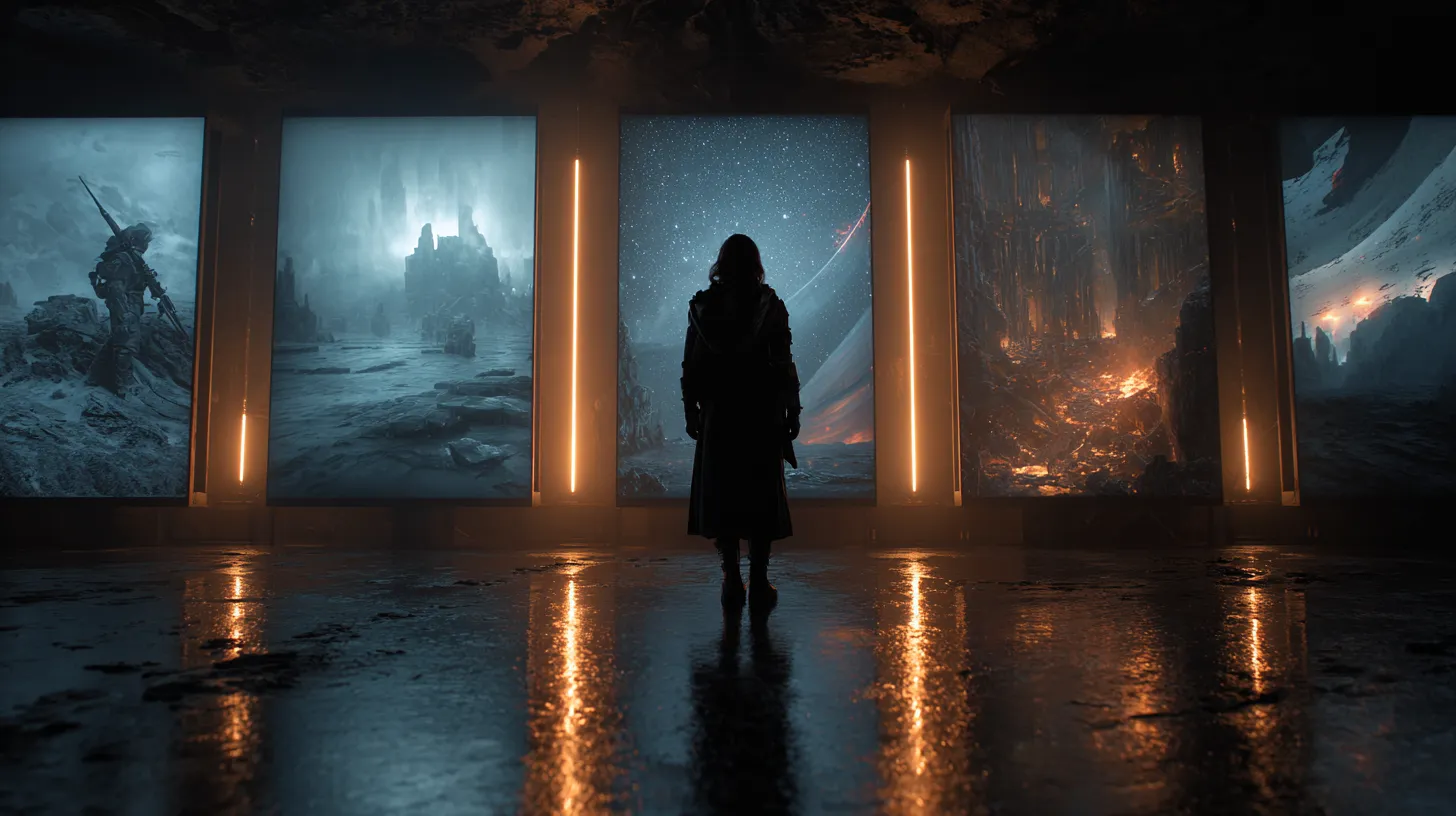
AI filmmaking begins with a simple shift: a filmmaker can now create images, scenes and worlds that once required a large production team, a physical set or a full visual effects pipeline.
That does not make filmmaking automatic.
It makes imagination more visible.
A small studio can now explore the look of a distant planet, a ruined kingdom, a mythic battlefield or a lonely city at the edge of the future before anything physical exists. An independent creator can test atmosphere, characters, tone and scale without waiting for permission from a traditional production system.
This is why AI filmmaking matters.
It is not just a new way to generate video. It is a new way to think about cinema before cinema becomes real.
What AI filmmaking means
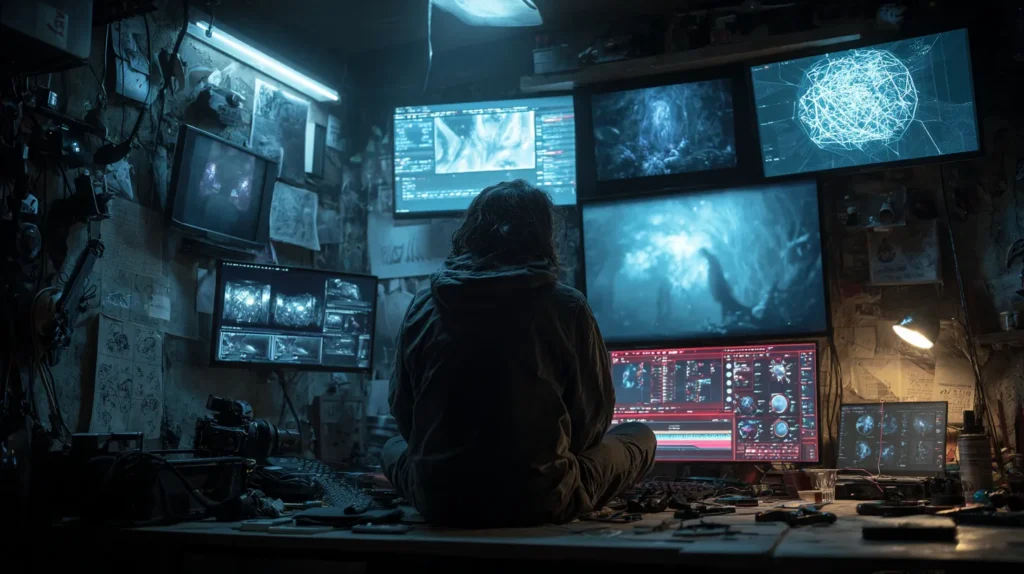
AI filmmaking is the use of artificial intelligence to help create moving images, cinematic scenes, trailers, short films, visual concepts, characters, environments and story worlds.
That definition is useful, but it is incomplete.
A film is not only a sequence of images. A film has rhythm. It has intention. It has silence, tension, emotion, perspective and timing. A beautiful image can impress someone for a second, but cinema needs more than beauty. It needs direction.
AI can help create the surface of a scene. The creator still decides what the scene means.
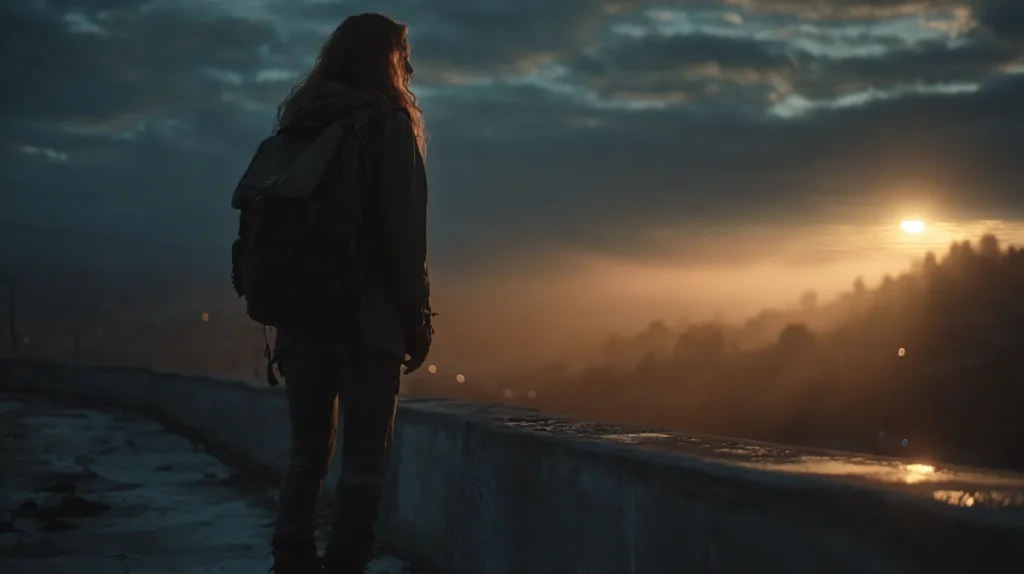
A shot of a warrior standing in the snow is just an image until someone decides who that warrior is, what they have lost, why the snow matters, and what the camera should make us feel.
That is where filmmaking begins.
Why AI filmmaking is growing now
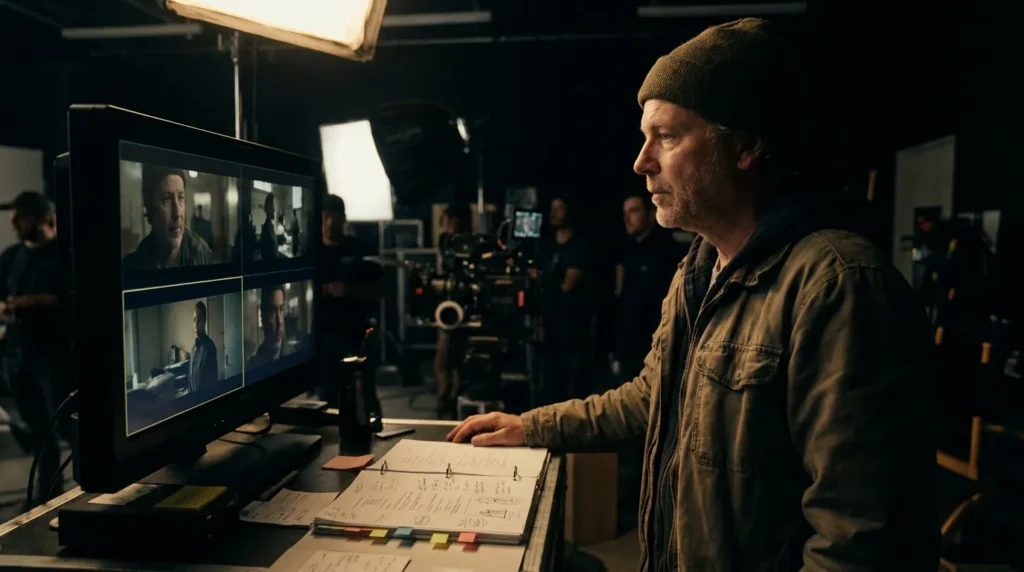
AI filmmaking is growing because the tools are becoming more visual, more accessible and more connected to the way creators already think.
Image generation, video generation, voice, music, editing and visual development are moving closer together. The result is a new creative space where filmmakers can explore ideas faster and with more visual range.
The rise of AI film festivals also shows that this is no longer just a technical experiment. The Runway AI Festival began with a focus on AI films and has grown into a larger celebration of artists working across film, design, new media, fashion, advertising and gaming.
That growth says something important.
AI filmmaking is becoming part of the creative conversation. Not only in software demos, but in festivals, studios, independent films, music videos, trailers and experimental storytelling.
The conversation is still young. The language is still forming. That is what makes this moment interesting.
AI does not remove the filmmaker
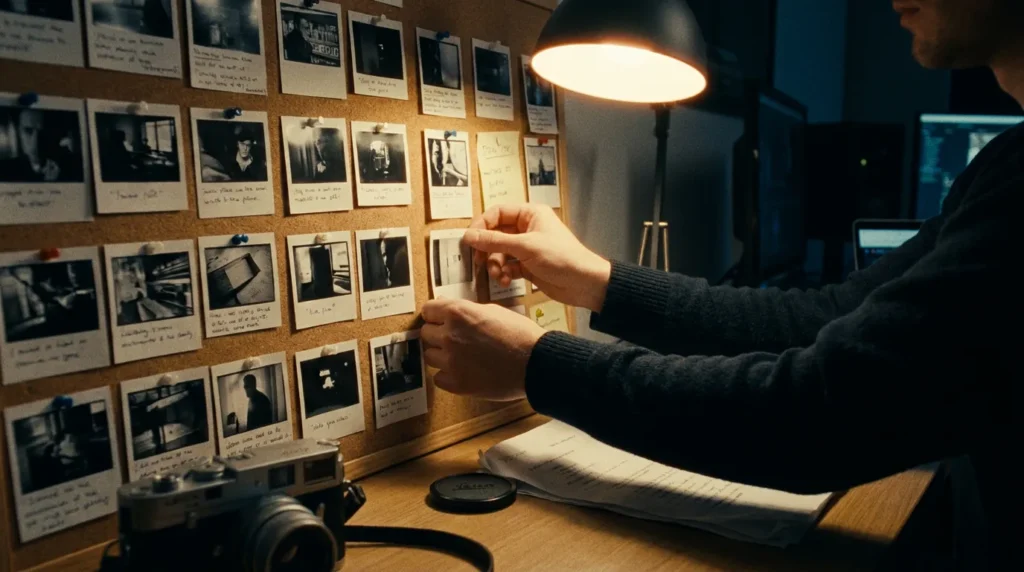
The strongest AI films will not come from people who only know how to generate images. They will come from people who understand taste, story, composition, pacing and emotion.
A filmmaker using AI still needs to make choices.
What kind of world is this?
Where should the camera be?
Is the scene intimate or epic?
Should the character feel powerful, broken, mysterious or afraid?
Does the image serve the story, or is it only decoration?
These questions are not technical. They are cinematic.
AI can produce options. The filmmaker gives those options meaning.
This is why the human role may become even more important, not less. When images become easier to create, taste becomes harder to fake. Anyone can create something visually intense. Not everyone can create something that feels directed.
AI films need cinematic thinking
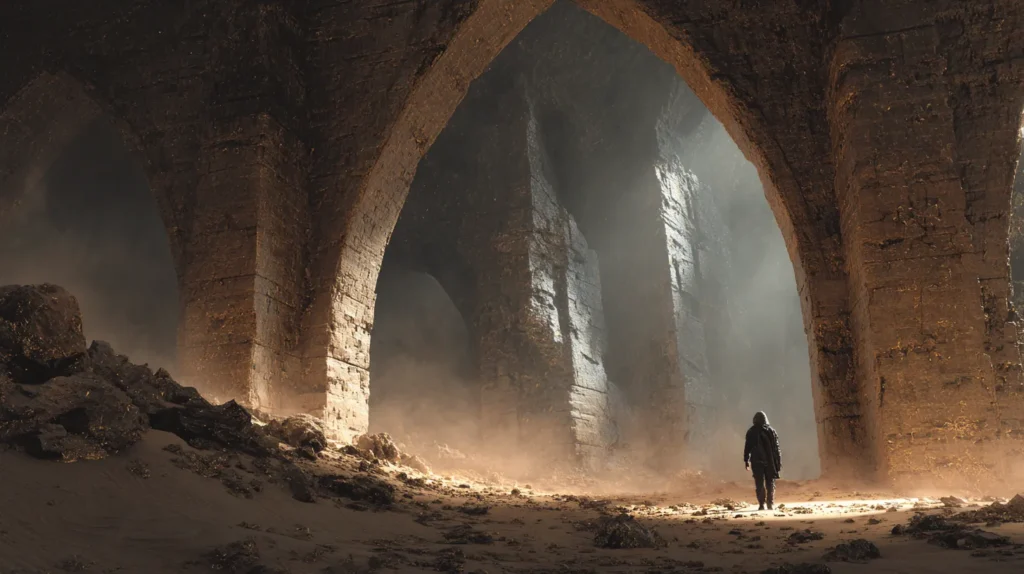
One of the biggest risks in AI filmmaking is confusing visual impact with cinema.
A glowing city is not automatically a world.
A monster is not automatically a story.
A dramatic close-up is not automatically emotion.
Cinema depends on relationships between images. A wide shot can make a character feel small. A slow push toward a face can create pressure. A cut from silence to movement can change the emotional temperature of a scene.
AI filmmaking needs that same discipline.
It needs framing, continuity, rhythm, atmosphere and point of view. It needs a reason for every image to exist. It needs creators who think beyond the prompt and into the scene.
This is where AI filmmaking becomes more than content generation.
It becomes direction.
The rise of cinematic worlds
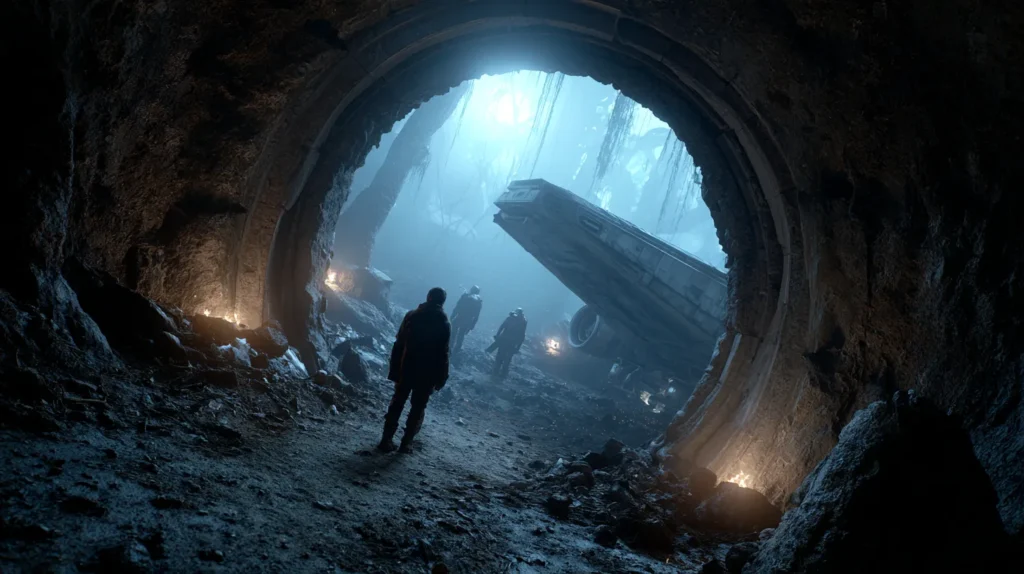
AI is especially powerful for worldbuilding.
A filmmaker can now imagine a world before writing every scene inside it. The visual identity of a story can appear earlier in the creative process. A fantasy kingdom, a desert moon, a haunted forest or a futuristic empire can be explored as a living atmosphere, not just a paragraph in a document.
That changes how stories can begin.
A creator might see the world first, then discover the story inside it. A strange temple, a broken crown or a city buried under red dust can suggest history. A character’s costume can reveal culture. A landscape can imply conflict.
This is one of the most exciting parts of AI filmmaking.
It allows creators to search for the feeling of a world before the full narrative is locked.
For a studio focused on cinematic universes, this is not a small detail. It is the forge where the story starts to take shape.
AI trailers as a new doorway
Trailers are one of the most natural formats for AI filmmaking.
A trailer does not need to explain everything. It needs to create a promise. It needs to suggest a world, a conflict, a tone and a reason to keep watching.
That makes AI trailers powerful.
They can work as proof of concept. They can introduce a cinematic universe before a full short film exists. They can test whether a world has emotional weight. They can show the mood of a story without revealing every part of it.
A strong AI trailer can feel like the first doorway into a larger myth.
It can show a character running through smoke, a kingdom falling in silence, a spacecraft crossing a dead planet, or a creature watching from the edge of the trees. The viewer does not need every answer. The viewer needs to feel that a world exists beyond the frame.
That is a cinematic skill, not just a technical one.
The creative opportunity
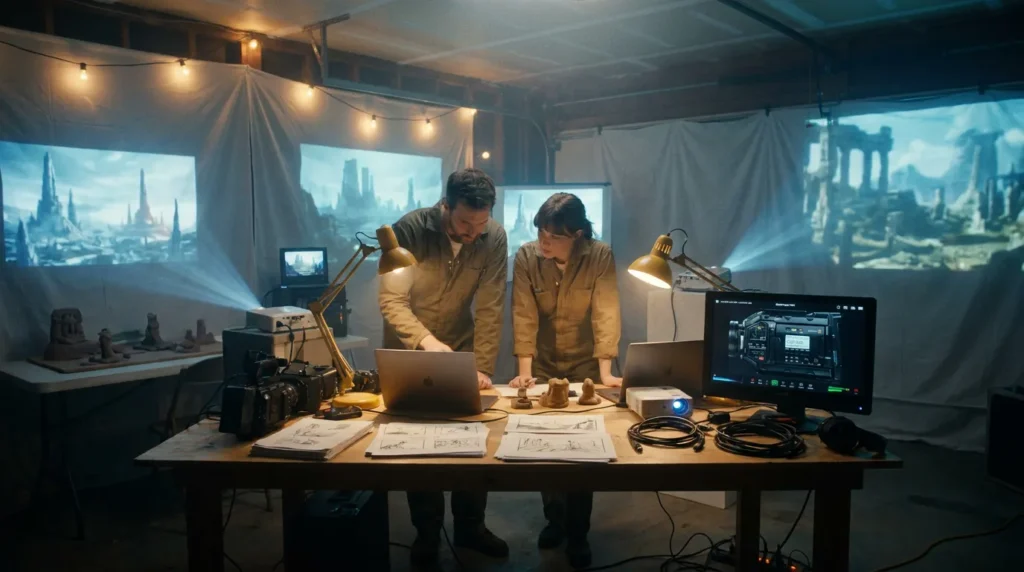
AI filmmaking gives independent creators and small studios a new kind of reach.
A scene that once required a large crew, expensive locations or complex visual effects can now begin as a visual experiment. That does not replace the craft of cinema. It opens a new path toward it.
The UNESCO report on AI and culture describes artificial intelligence as a force reshaping the creative value chain, from creation and production to distribution and audience engagement.
For filmmakers, that shift is practical and creative.
It means stories can be developed in new ways. Visual ideas can be tested earlier. Worlds can be built with more speed. Small teams can attempt images that once belonged only to large productions.
But the opportunity comes with a responsibility.
If AI makes images easier to create, filmmakers need to care more about why those images exist.
The Fable Forge point of view
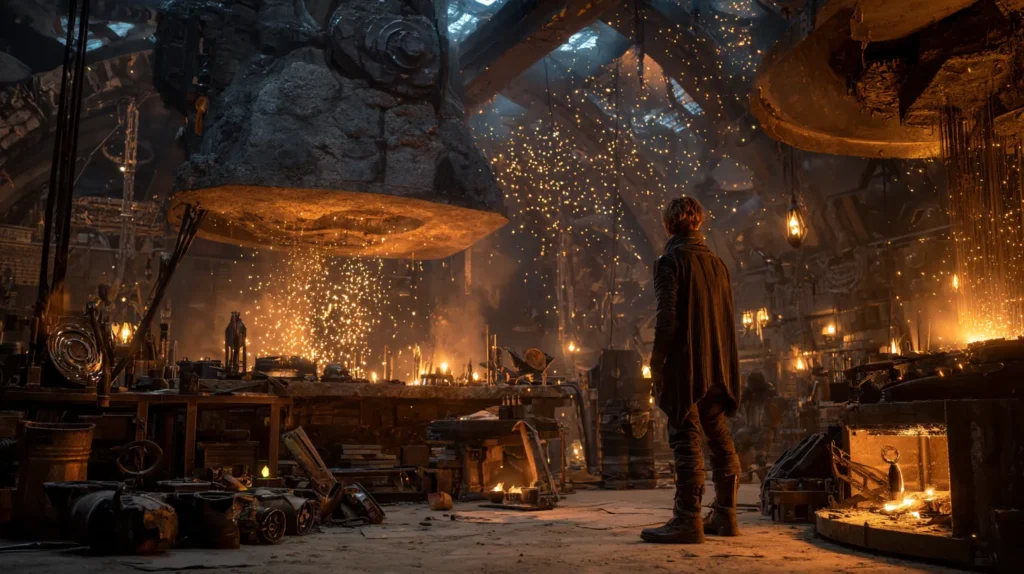
At Fable Forge, we see AI filmmaking as a way to forge cinematic worlds from imagination, story and machine intelligence.
The word forge matters to us.
A forge is not a button. It is a place where raw material becomes something shaped by intention. Heat, pressure and craft turn metal into a blade. In the same way, AI can generate visual material, but it still needs direction, taste and story to become cinema.
We are interested in AI films, AI trailers and cinematic worlds because they allow new myths to appear faster than before.
A forgotten kingdom can rise from darkness. A lost astronaut can walk through the ruins of another civilization. A warrior can stand before a storm that feels older than history. These images matter when they suggest something larger than themselves.
That is the difference between generating a scene and building a world.
A new era, still led by imagination
AI filmmaking is still young.
The tools will change. The quality will improve. The debates will continue. Some creators will use AI to make quick content. Others will use it to explore new cinematic languages.
The difference will come from intention.
A filmmaker with a clear point of view can use AI to build atmosphere, test worlds, shape trailers and imagine scenes that would have been impossible to produce alone. A small studio can think bigger. An independent creator can move closer to the scale of their imagination.
That does not make cinema less human.
It reminds us that cinema has always been shaped by tools. Cameras, editing software, visual effects, digital animation and virtual production all changed what filmmakers could make. AI is another transformation in that long history.
The future of AI filmmaking will not belong to the machine alone.
It will belong to creators who know what they want to say, what they want us to feel, and what kind of worlds they are brave enough to forge.

Leave a Comment