Why AI Trailers Are Becoming a New Storytelling Format

A trailer used to come after the film.
The story was written, shot, edited and shaped into a finished work. Then a trailer was cut from that material. It became a promise, a signal, a small window into something larger.
AI is changing that order.
Now a trailer can appear before the film exists.
A creator can build the mood of a story, test the feeling of a world, introduce a character, suggest a conflict and create the emotional shape of a cinematic idea before a full production begins.
That makes AI trailers more than promotional pieces.
They are becoming a storytelling format of their own.
A trailer is built on suggestion

A trailer does not need to tell the whole story.
It needs to make the viewer feel that a story exists.
That is what makes the format so powerful. A trailer can show a face, a place, a threat, a line of dialogue, a symbol, a sound, a silence. It can make the viewer imagine the rest.
A child standing in front of a burning city.
A queen walking through a hall of broken statues.
A pilot waking up inside a ship that should have been empty.
A creature watching from the trees without moving.
These moments do not explain everything. They create pressure. They make the viewer lean forward.
AI works naturally with this kind of storytelling because it can help creators explore moments, moods and worlds without needing to complete the entire narrative first.
A good AI trailer does not have to answer every question.
It has to make the question feel worth asking.
AI trailers can begin with a world

Traditional trailers are usually made from finished footage.
AI trailers can begin with a world.
That changes the creative logic.
Instead of waiting for a full film to exist, a creator can start by asking what kind of place the story belongs to. A frozen empire. A desert planet. A city controlled by machines. A forest where the gods never left. A kingdom built under the ocean.
Once the world has a feeling, the trailer can search for the story inside it.
The first image may not be a plot point. It may be a mood. A color. A piece of architecture. A character standing in the wrong place at the right time.
This is one of the reasons AI trailers feel so connected to worldbuilding.
They can act like cinematic sketches for universes that are still forming.
The trailer becomes a proof of feeling
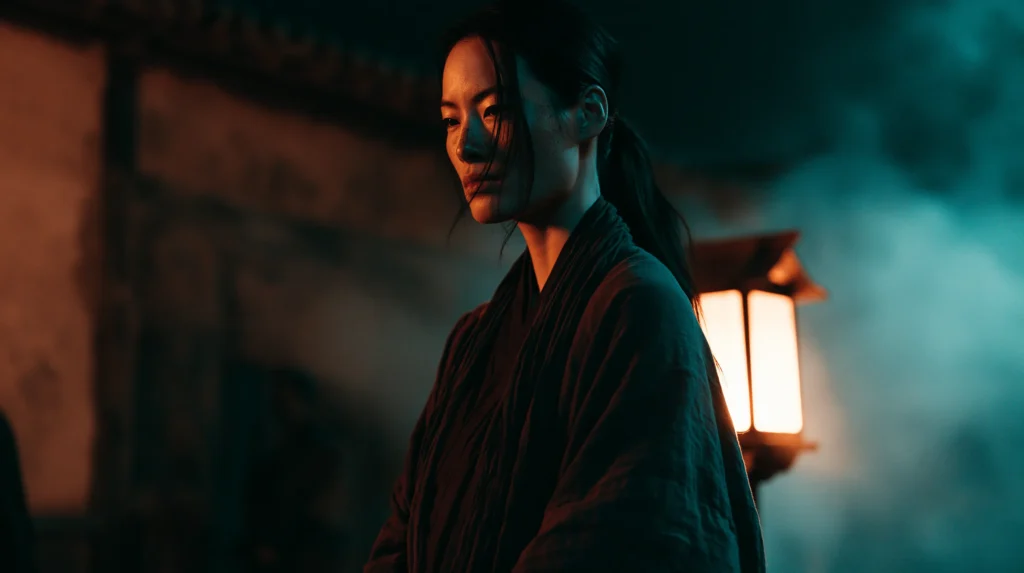
A proof of concept usually tries to show that an idea can work.
An AI trailer can do something more specific.
It can prove that an idea has a feeling.
That matters because many stories sound interesting in a paragraph but only become alive when the viewer senses their atmosphere.
A fantasy world may sound familiar until we see its temples, weather, costumes and rituals. A science fiction story may sound simple until we feel the loneliness of its spaceships and the silence of its planets. A horror concept may sound ordinary until we understand how the shadows move.
AI trailers can help creators test that emotional identity.
They can show whether a world feels ancient, dangerous, sacred, intimate, brutal, strange or beautiful.
This does not replace the deeper work of filmmaking. It gives the idea a first body.
It lets the creator and the audience feel the story before the story is complete.
AI trailers are not just shorter films
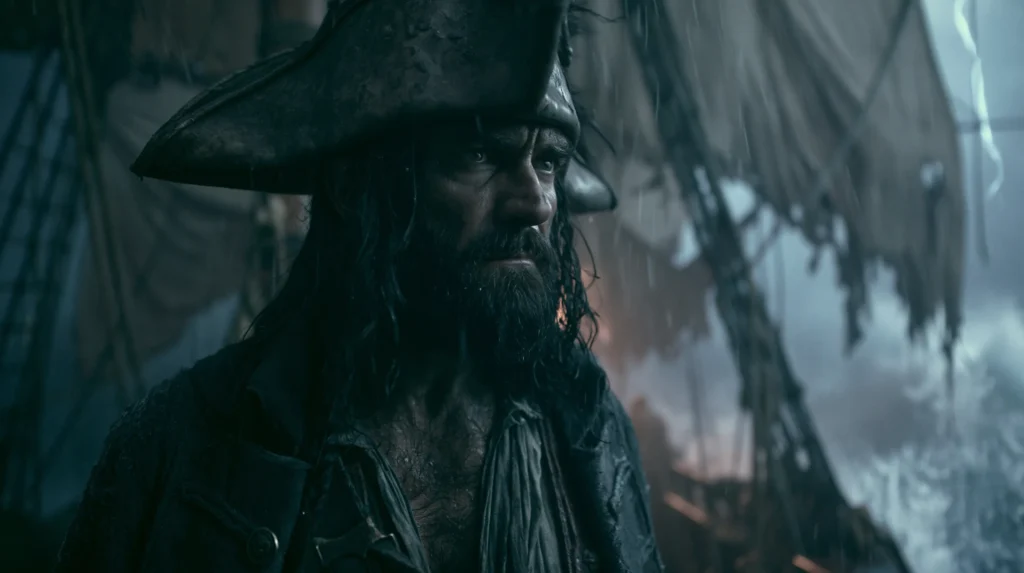
A trailer has its own language.
It is not a small version of a film. It is a compressed emotional machine.
It uses rhythm, contrast, mystery and escalation. It moves between fragments. It holds back information. It gives the viewer just enough to imagine the rest.
This is why trailers can be memorable even when the viewer has not seen the film.
A trailer can stay in the mind because of one image, one line, one musical build or one final cut to black.
Research on movie trailers has described how trailers can activate narrative thinking in viewers, even when they only show fragments of the full story. The viewer receives enough pieces to begin forming a narrative in their own mind.
That is the key.
A trailer does not only show a story.
It invites the viewer to complete one.
AI makes the trailer-first idea more natural
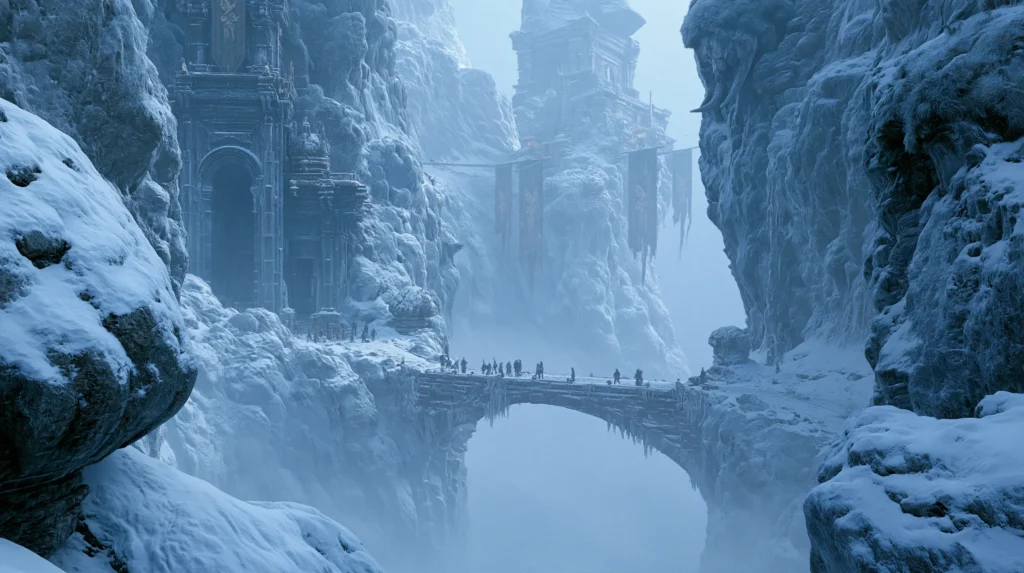
AI filmmaking makes it easier to explore a cinematic idea before a complete film is produced.
That is why the trailer-first format feels so natural in this space.
A small studio can create a teaser for an imagined world. An independent creator can present the tone of a film they have not yet shot. A writer can see whether a concept has visual power before expanding it into a longer project.
This does not mean every AI trailer needs to become a full film.
Some AI trailers may remain as standalone cinematic fragments. Others may become seeds for short films, episodic worlds, games, pitch decks, comics or larger universes.
The important point is that the trailer is no longer only the final marketing asset.
It can become the first creative artifact.
It can be the moment when a world starts to exist publicly.
The rise of generative trailer thinking
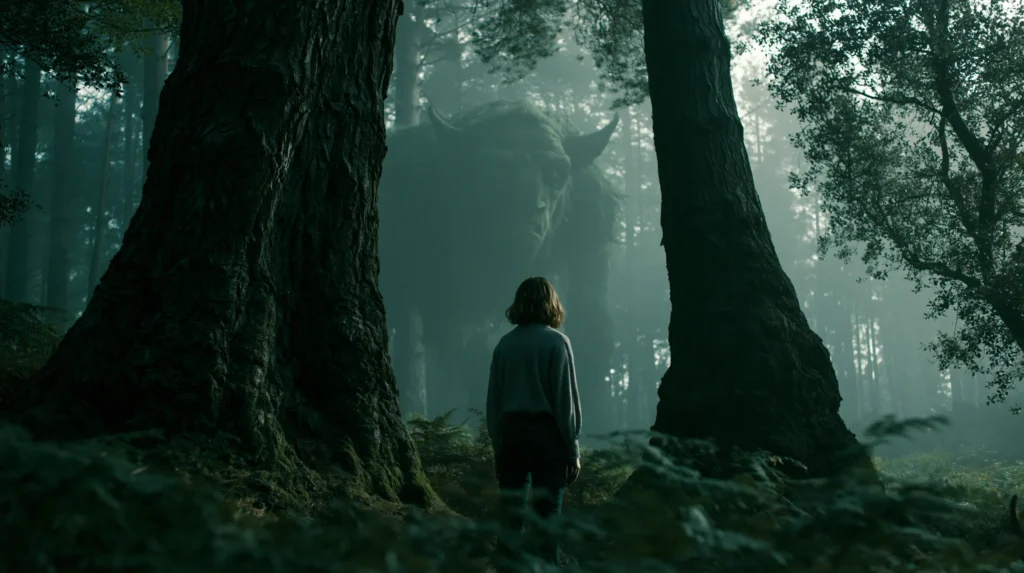
The idea of trailers as creative systems is already becoming part of research and technical discussion.
A recent survey called Generative AI for Video Trailer Synthesis: From Extractive Heuristics to Autoregressive Creativity describes a shift from older methods that selected shots from existing footage toward generative systems that can help construct more coherent and emotionally resonant trailer narratives.
Another paper, An Automatic Deep Learning Approach for Trailer Generation through Large Language Models, describes trailer creation as more than choosing scenes. It includes selecting key visual sequences, dialogue, music, sound effects, voiceover and other elements that shape the audience’s engagement.
That research is technical, but the creative implication is easy to understand.
The trailer is being treated as its own narrative form.
It is not only a summary.
It is a designed emotional experience.
AI trailers fit the way audiences discover worlds
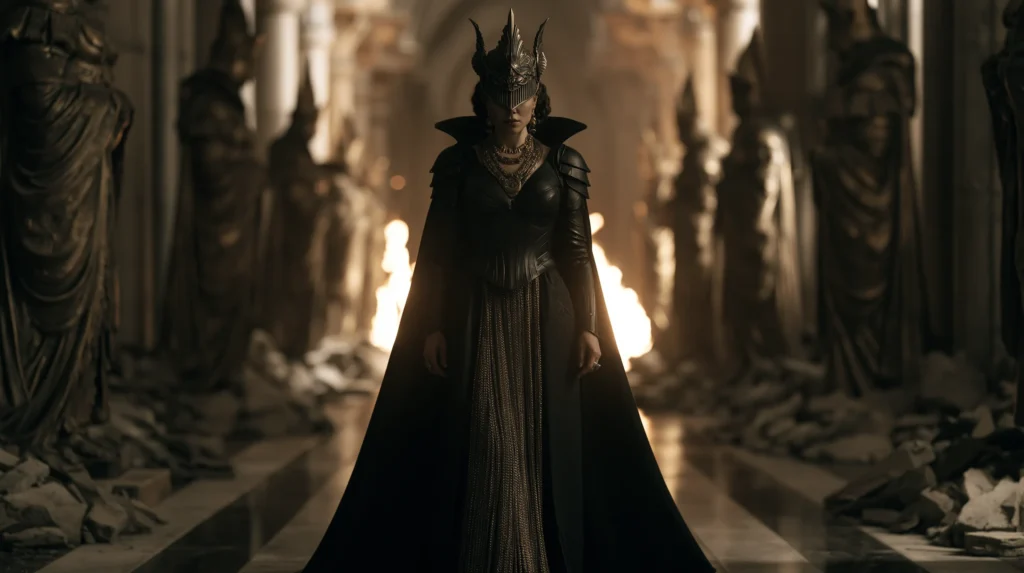
Audiences often discover stories through fragments now.
A short clip. A teaser. A concept trailer. A character reveal. A cinematic scene shared online. A single image that suggests a larger universe.
AI trailers fit that behavior.
They can introduce a world quickly, but still feel cinematic. They can give the audience something to enter before asking them to commit to a longer film. They can create curiosity around a fictional universe that is still developing.
This is especially powerful for original worlds.
A viewer does not always need a long explanation of the lore first. They may need one strong doorway.
A ruined city at sunrise.
A masked army crossing a frozen lake.
A voice saying that the stars have gone silent.
A child looking up at a machine buried inside a mountain.
If the trailer creates enough atmosphere, the viewer begins to imagine the rest.
That imagination is part of the experience.
AI trailers need restraint
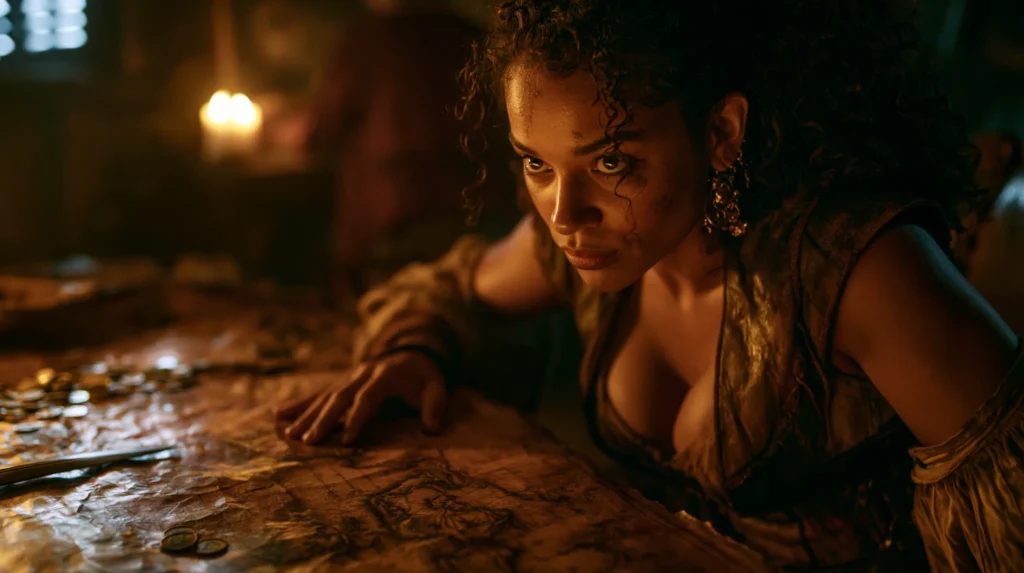
The temptation with AI trailers is to show everything.
More worlds. More monsters. More explosions. More dramatic faces. More impossible scale.
But a trailer becomes stronger when it knows what to withhold.
Mystery is part of the format.
A viewer should feel invited, not overwhelmed. They should sense that the world continues beyond the frame. They should understand the tone without receiving every answer.
This is where direction matters again.
An AI trailer needs selection. It needs rhythm. It needs contrast between silence and impact, intimacy and scale, character and spectacle.
The strongest trailer is not the one with the most images.
It is the one with the clearest promise.
For small studios, the format opens a door
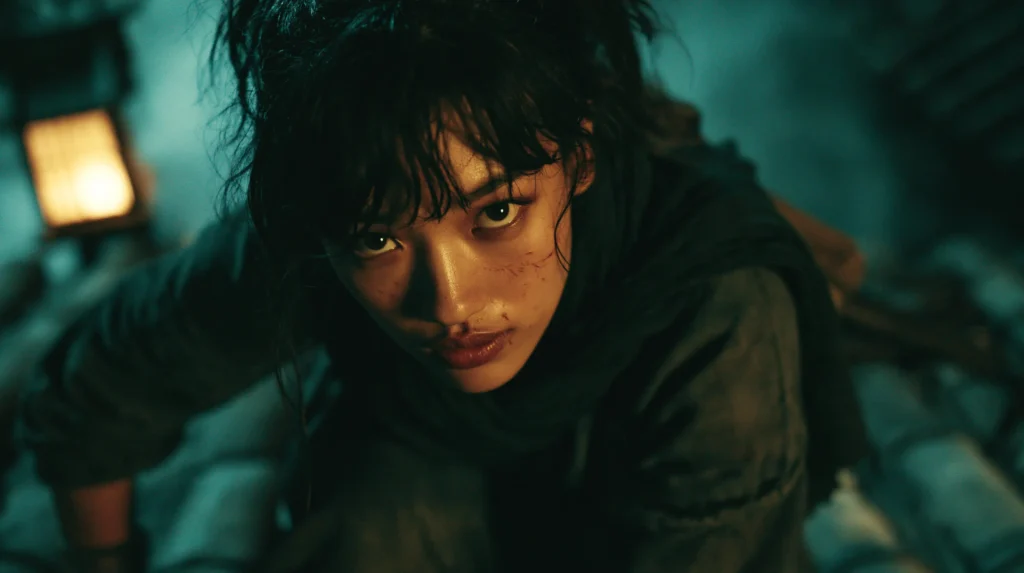
AI trailers give small studios and independent creators a new way to present ambition.
A creator may not have the budget to produce a full fantasy film yet, but they can show the world. A small team may not be ready to build an entire science fiction series, but they can create a cinematic teaser that captures the tone.
This matters because many original ideas need to be seen before they are understood.
A paragraph can describe a world.
A trailer can make someone feel it.
That difference is powerful for pitching, community building and creative development.
It also gives audiences a new role. They can respond to a world early. They can show which characters, images and tones create curiosity. They can help reveal whether the concept has emotional gravity.
The trailer becomes a bridge between imagination and audience.
The Fable Forge point of view
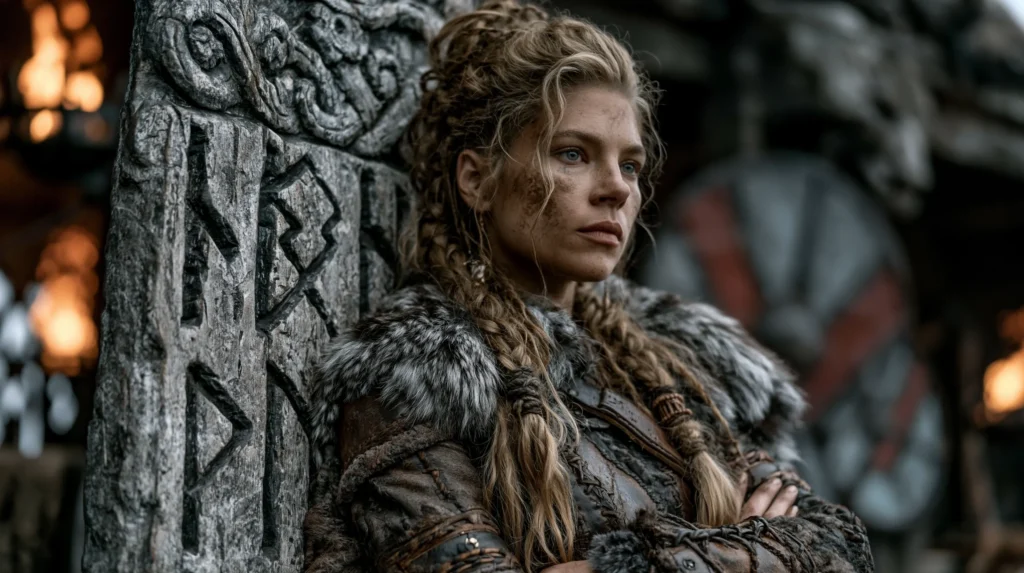
At Fable Forge, we see AI trailers as doorways into cinematic worlds.
They are not only previews. They are sparks.
A trailer can reveal the first breath of a kingdom, the first shadow of a creature, the first signal from a lost planet or the first wound of a hero we have not fully met yet.
That is why the format matters to us.
AI trailers allow a world to speak before the full story is finished. They let atmosphere, character and myth appear early. They give shape to ideas that might otherwise stay invisible.
A strong AI trailer should leave the viewer with the feeling that something larger is waiting.
Not explained.
Not completed.
Waiting.
A new format for cinematic imagination
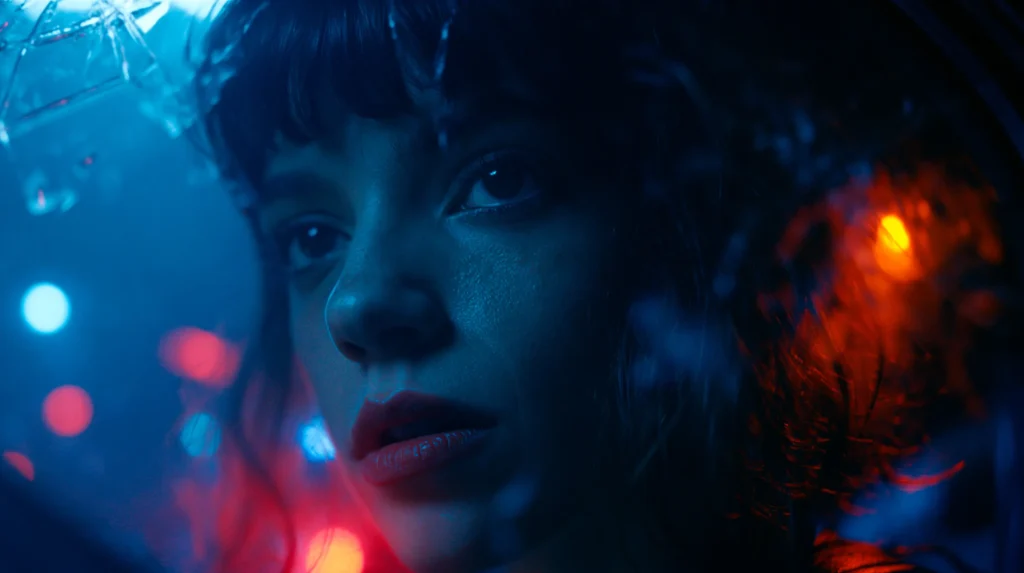
AI trailers are becoming a new storytelling format because they sit in a space between film, concept art, pitch, teaser and myth.
They do not need to replace traditional trailers.
They expand what a trailer can be.
A traditional trailer invites the audience into a finished film. An AI trailer can invite the audience into a world that is still being forged.
That difference is important.
It means the trailer can become part of creation, not only promotion. It can test a world, shape a tone, reveal a character and build anticipation before the larger story exists.
The future of AI trailers will not be defined only by better visuals.
It will be defined by better promises.
The kind that make a viewer feel there is a world beyond the frame, a story beneath the surface and a reason to step closer.

Leave a Comment