Sound Design Is the Invisible Half of AI Cinema
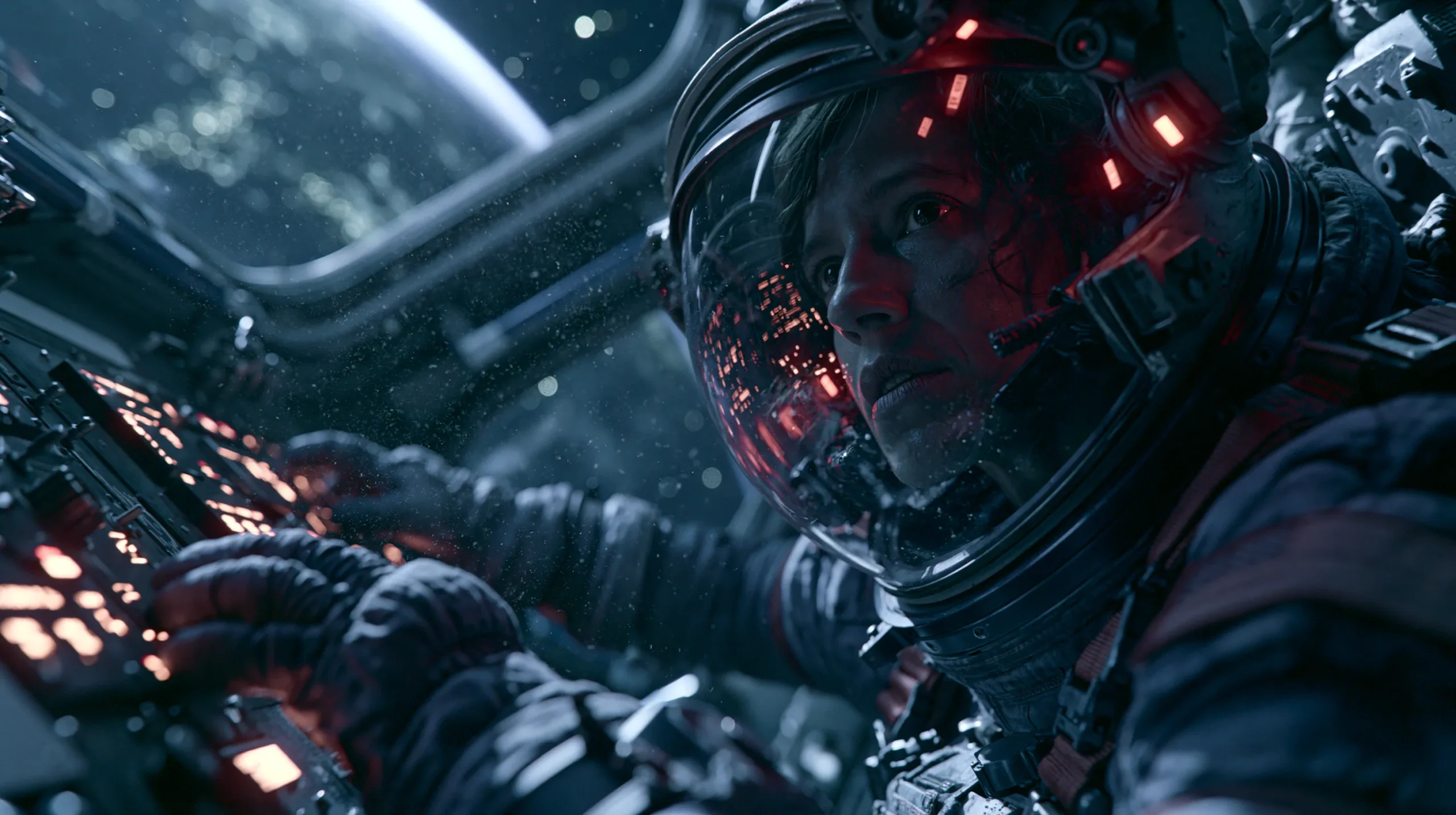
An AI-generated image can show a city covered in dust, a machine waking beneath the ground or a woman walking through an abandoned station.
Sound decides whether any of it feels present.
The city needs wind moving between the buildings. The machine needs metal under pressure, electrical movement and a sense of weight. The station needs distant echoes, loose cables, footsteps and the low vibration of something still running beneath the floor.
Without those details, the image may still look impressive. It simply feels farther away.
Sound brings the viewer inside the frame.
It gives the world distance, texture, scale and consequence. It can make a small room feel unsafe, a landscape feel ancient or a character feel closer than the camera suggests.
That is why sound design carries so much weight in AI cinema.
Sound gives the image a physical body
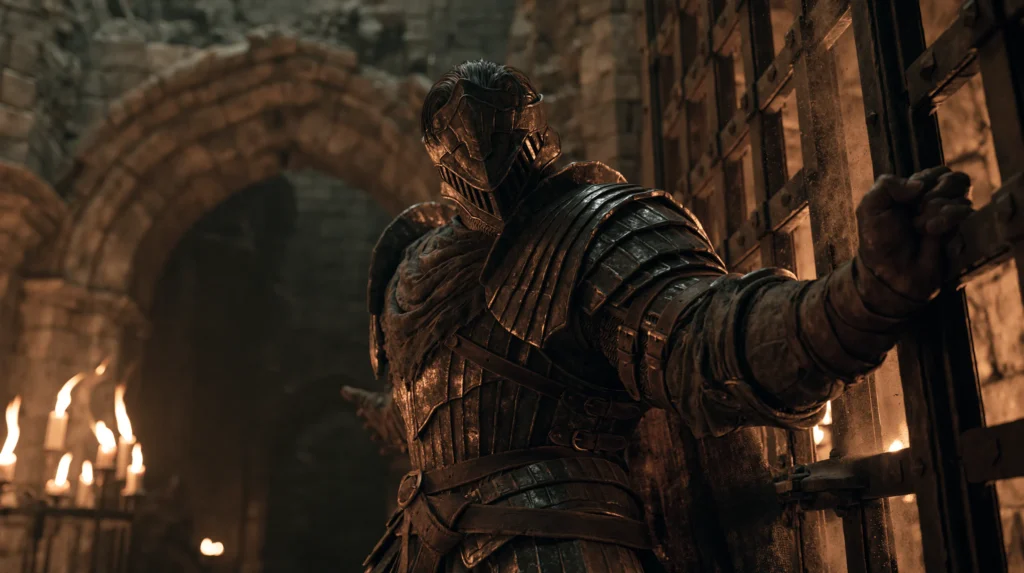
AI filmmaking can create places that have never existed.
A floating city can appear above the clouds. A medieval army can march through a frozen valley. A spacecraft can open its doors on a planet with two suns.
The image gives us the shape of the place. Sound gives that place a physical body.
A large door should move air when it opens. Heavy armor should affect the way a character walks. A distant explosion should arrive differently from one happening a few meters away. Rain should sound different on metal, fabric, glass and dry ground.
These details help the viewer understand materials, distance and scale.
A sword can look heavy, but its weight becomes believable when we hear the grip tighten, the metal leave the sheath and the blade touch the floor.
A creature can remain almost hidden while its breathing tells us how large it is.
Sound often provides the information that the image leaves unfinished.
The world continues beyond the frame
A film frame has limits.
Sound does not need to respect them.
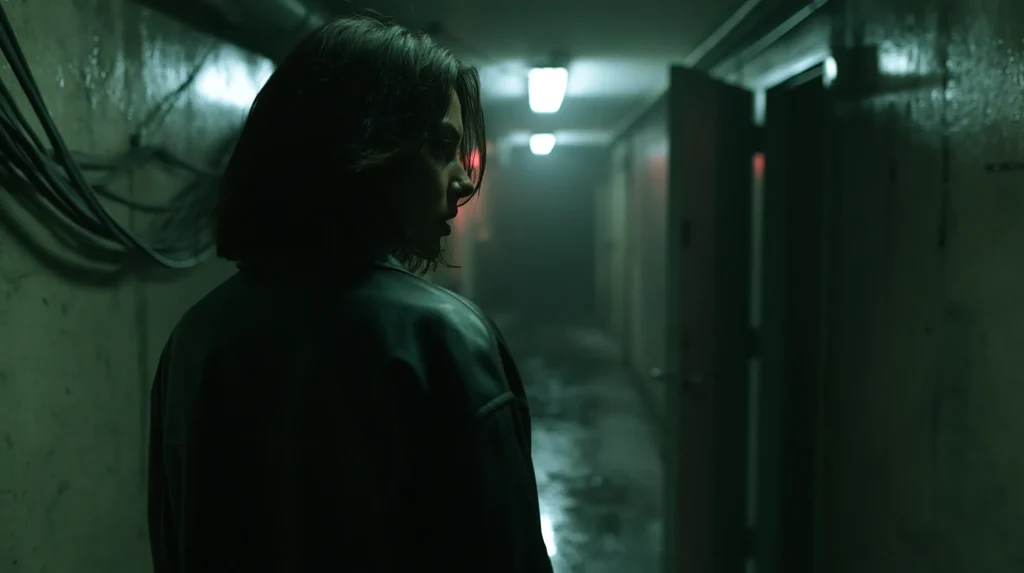
A character may be standing alone in a hallway while footsteps move somewhere behind the wall. A city may appear empty while a distant train suggests that life continues underground. A forest may look calm while branches break outside the camera’s view.
These sounds expand the world.
They tell the viewer that events are happening in places the camera cannot show. The scene begins to feel larger because the visible image becomes only one part of the environment.
This can be especially valuable in AI films, where showing too much often weakens the mystery.
A filmmaker does not need to reveal the creature immediately. A low movement in the trees, a change in the birds and one heavy step may create more tension than a full visual reveal.
Michel Chion describes the relationship between sound and image through ideas such as the audiovisual contract. The viewer experiences both elements as part of the same world, even though one comes from the screen and the other comes from speakers.
That relationship gives filmmakers room to suggest more than they show.
Sound tells us where we are

Every environment has its own acoustic identity.
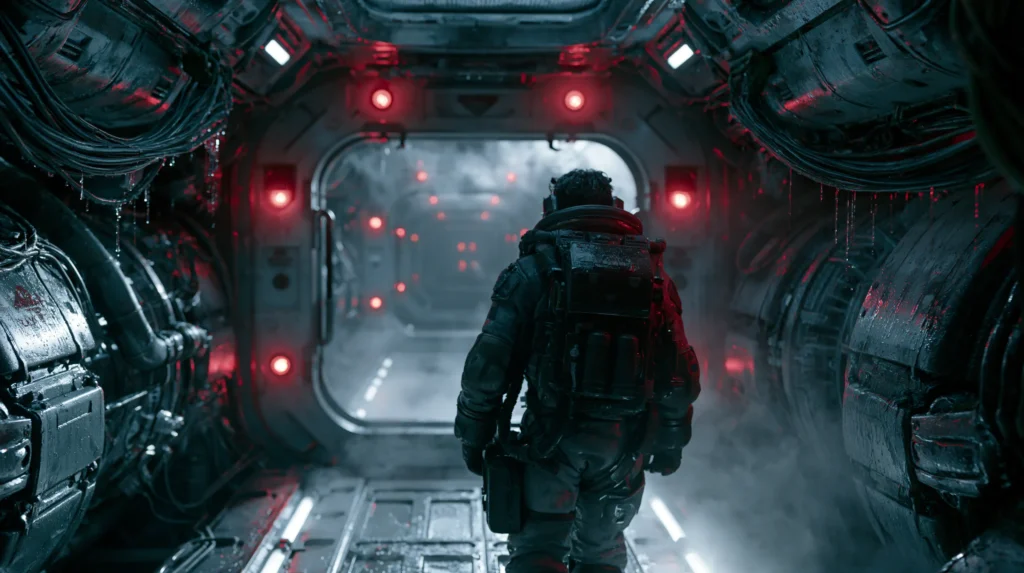
A stone chamber holds sound longer than an open field. A crowded street creates layers of voices, engines and movement. A frozen landscape may feel wide and quiet, with small sounds traveling across the space. A damaged spaceship may carry a constant mechanical pulse that never allows the crew to relax.
The visual design may establish the location. The soundscape makes the location feel inhabited.
This matters when building original worlds.
A future city should have sounds connected to its technology. A fantasy kingdom should carry traces of its culture in bells, rituals, tools, animals and public spaces. A post-apocalyptic desert should sound different from an ordinary empty landscape.
The environment needs an acoustic language that belongs to the same world as the production design.
In Dune, sound and music were used to help create the history, nature and culture of Arrakis. The desert carries scale and danger because its soundscape feels connected to the world rather than added after the fact.
That kind of connection is valuable for AI filmmaking. A generated world becomes more convincing when the sound appears to come from its materials, climate and history.
Foley gives characters presence
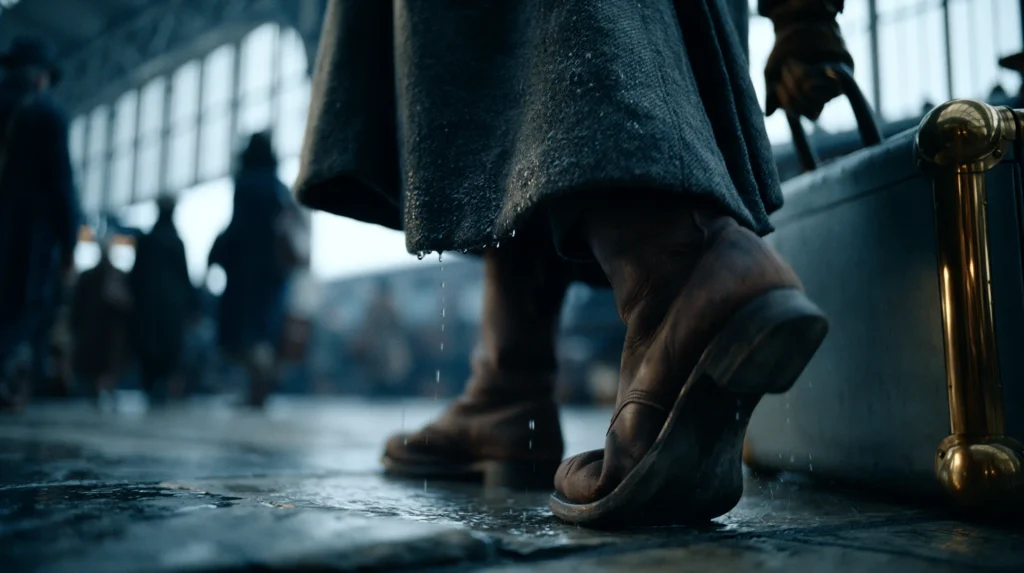
Foley is one of the quiet foundations of cinematic sound.
Clothing moves. Boots meet the ground. Fingers touch metal. A hand reaches into a pocket. A character shifts their weight before speaking.
These sounds are small, but they place the body inside the scene.
AI-generated movement can sometimes feel light or detached from the environment. Carefully designed Foley can help restore contact between the character and the world.
A mechanical leg should have a different rhythm from a human one. A heavy coat should move differently from thin fabric. A tired character may drag their feet slightly. A soldier carrying equipment should never sound as light as someone walking through an empty room in ordinary clothes.
The sound should follow the character’s physical condition, clothing and emotional state.
Someone moving carefully through a dangerous place may control every step. Someone running from an explosion may lose that control completely.
Foley turns movement into behavior.
It helps the viewer feel that the character is touching the world rather than passing across an image.
Silence changes the meaning of sound
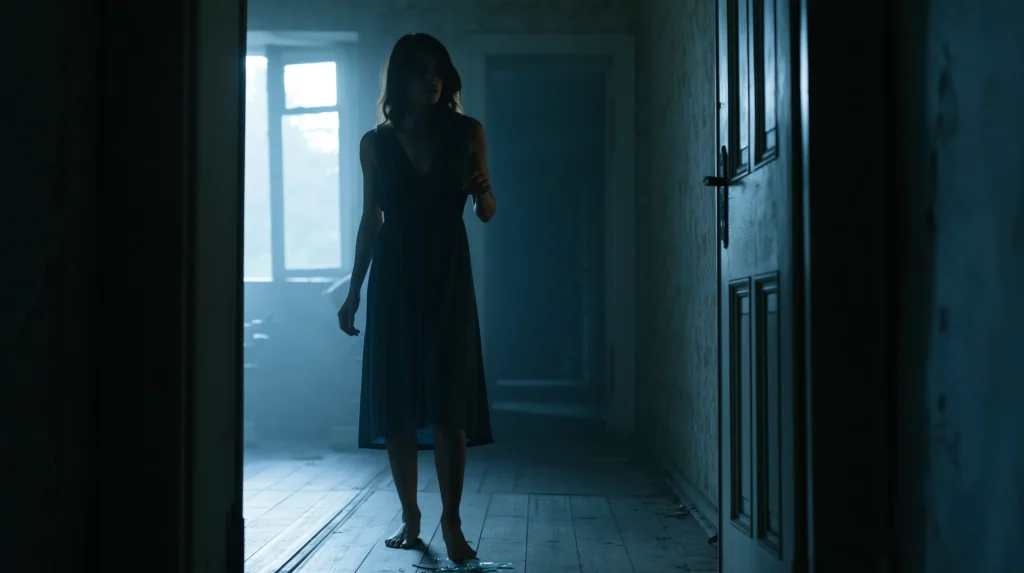
Silence is rarely absolute in cinema.
A quiet scene may still contain breathing, room tone, wind or distant movement. What matters is the reduction of information.
When a soundtrack becomes quieter, the viewer begins listening more carefully.
A small sound can suddenly become important. A breath feels closer. A floorboard becomes a warning. A piece of metal falling in another room can change the direction of the scene.
The films in the A Quiet Place series build their central danger around creatures that hunt by sound. Silence becomes part of the world’s rules, and every accidental noise carries a clear consequence.
The same principle can work on a smaller scale in an AI film.
A trailer can remove the music before a reveal. A battle scene can become quiet after an explosion. A character can enter a room where the normal environmental sound has disappeared.
The absence creates contrast.
Without quiet moments, loud sounds lose their force. Without space, the soundtrack becomes a continuous layer that stops guiding attention.
Dynamic range gives the sound design shape.
Music and sound design have different jobs
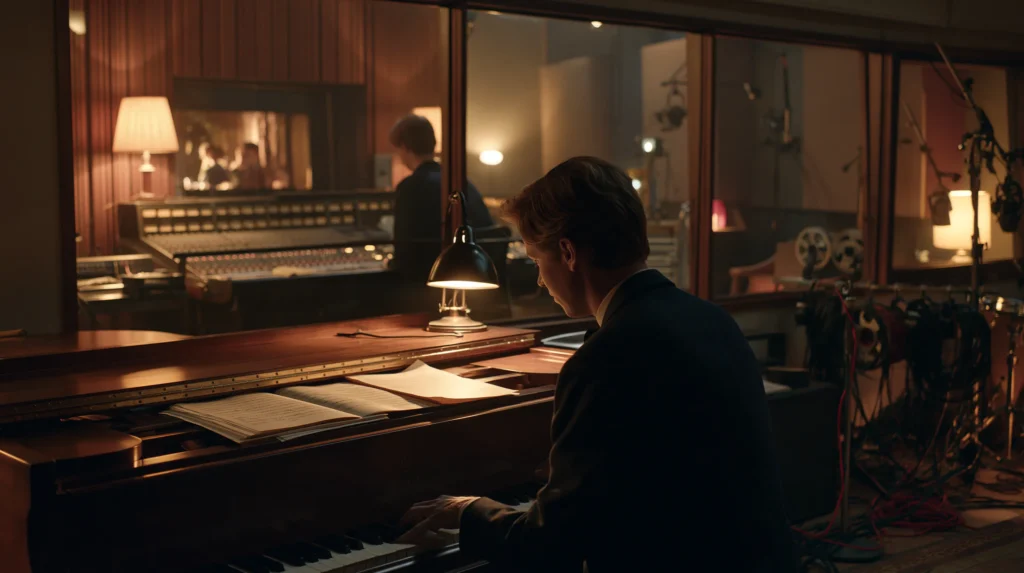
Music carries emotion, expectation and structure.
Sound design carries space, action, material and presence.
They often work together, but they do not need to say the same thing.
A sad scene does not always need sad music. A violent scene does not always need aggressive percussion. Sometimes the sound of the room creates more emotion than the score.
A character sitting beside a damaged machine may feel more vulnerable if we hear the weak motor, irregular electrical pulses and wind entering through broken glass. Adding music too early could tell the audience how to feel before the scene has earned it.
A study involving 60 participants found that film music influenced both visual attention and emotional responses. The music led viewers to look more quickly at certain objects and affected how positively they experienced the story. The research is available in Soundtrack Design: The Impact of Music on Visual Attention and Affective Responses.
That influence makes musical choices powerful.
It also means music should be used carefully.
Sound design can let the viewer discover the emotion through the environment. Music can then deepen, redirect or complicate that emotion.
Synchronization creates credibility
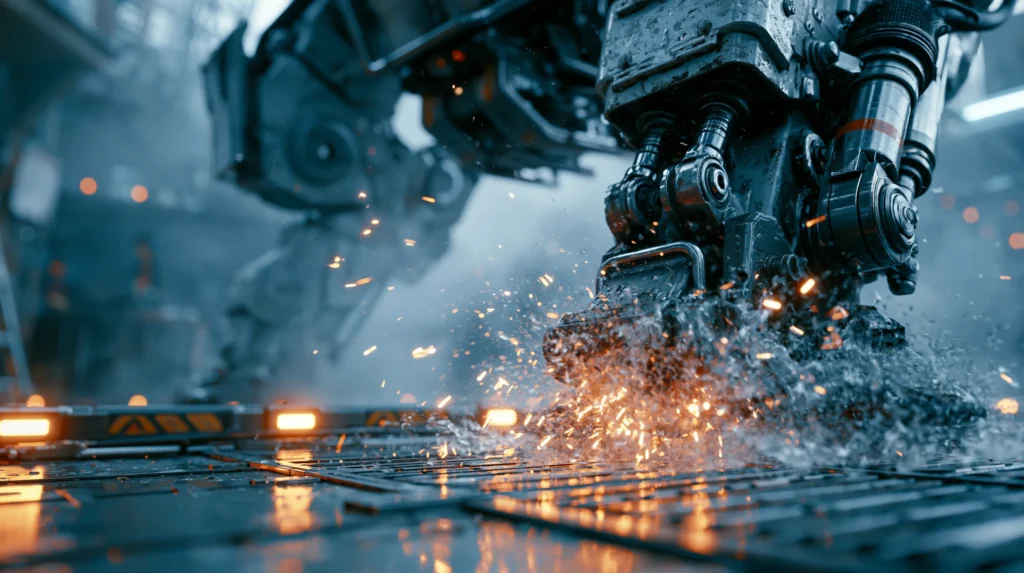
The viewer notices when sound and movement do not belong together.
A footstep that arrives late makes the body feel disconnected. A weapon impact without the right timing feels weak. A machine that moves before its sound loses weight. A door that closes silently can feel artificial unless the silence is a deliberate choice.
Precise synchronization creates physical credibility.
Michel Chion uses the term synchresis to describe the way viewers connect a sound and an image when they occur at the same moment. The sound does not need to come from the object recorded on screen. It needs to feel convincing when paired with the movement.
This gives sound designers enormous creative freedom.
The sound of an imagined machine may be built from engines, animals, metal, air pressure and electronic textures. The source materials can be unrelated to the image. Once they are shaped and synchronized, the audience accepts them as the machine’s voice.
AI cinema benefits from this freedom because many of its objects have no real-world sound.
A filmmaker must decide how a synthetic creature breathes, how a fictional weapon releases energy or how an ancient structure powered by unknown technology moves.
Those choices become part of the worldbuilding.
Sound design controls attention
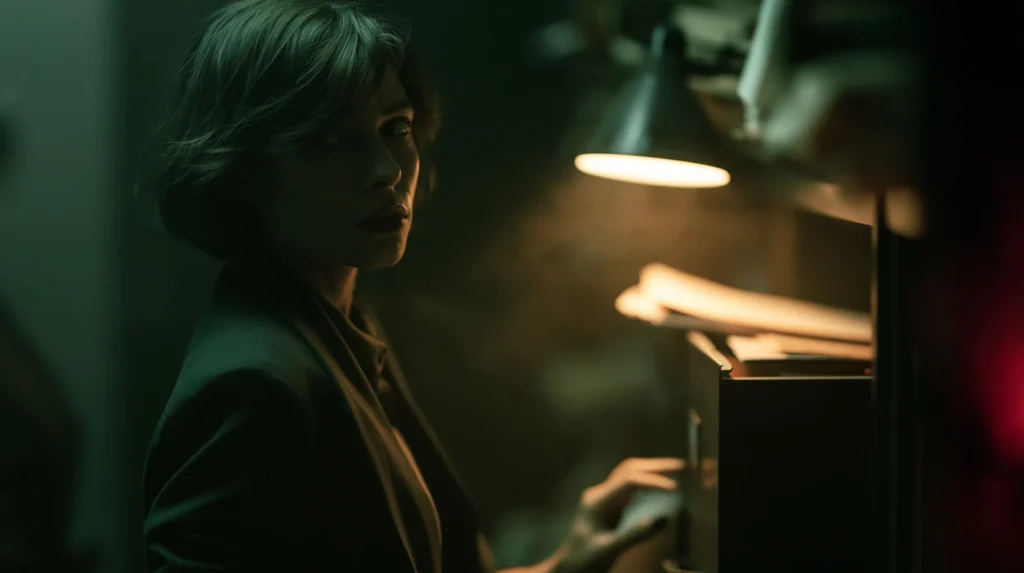
The viewer cannot examine every part of the frame at once.
Sound can guide them toward what matters.
A metallic click can pull attention toward a character’s hand. A voice from the left can make the viewer feel someone entering the space. A distant alarm can prepare the audience for danger before the characters react.
This happens without a title card or explanation.
Sound guides the eye.
It can also hide information. A loud event can cover a small movement. Music can create safety while the image introduces a threat. A familiar environmental sound can stop suddenly when something changes.
These choices help build tension because the audience begins processing information before they fully understand it.
For AI films, this is useful when the image contains a large amount of detail. Sound can organize that detail and keep the viewer from feeling lost.
It decides which part of the world should be heard first.
Generic sound weakens a specific world
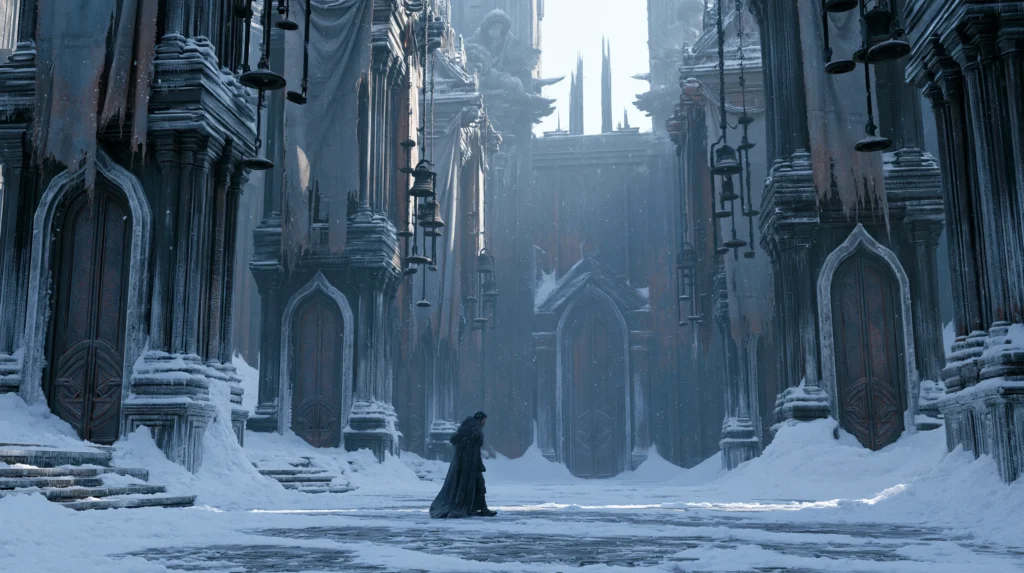
A carefully designed AI world can lose its identity when the soundtrack feels generic.
The same cinematic boom, mechanical hum and distant wind appear across many trailers. These sounds can create scale, but they rarely tell us much about the particular world on screen.
A strong soundscape needs specific choices.
A desert controlled by machines may carry buried electrical movement beneath the wind. A frozen kingdom may use wood, ice, old bells and fabric under tension. A gothic chamber may sound soft at first, with curtains moving and stone reflecting every small step.
These details connect sound to story.
The audience may never identify every layer, but they feel the difference between a soundtrack assembled from familiar effects and one shaped around the world’s identity.
Specific sound creates memory.
A recurring signal, machine rhythm, creature call or environmental tone can become part of the film’s language. When the sound returns, the viewer understands what it means before the image explains it.
AI-generated audio still needs creative judgment
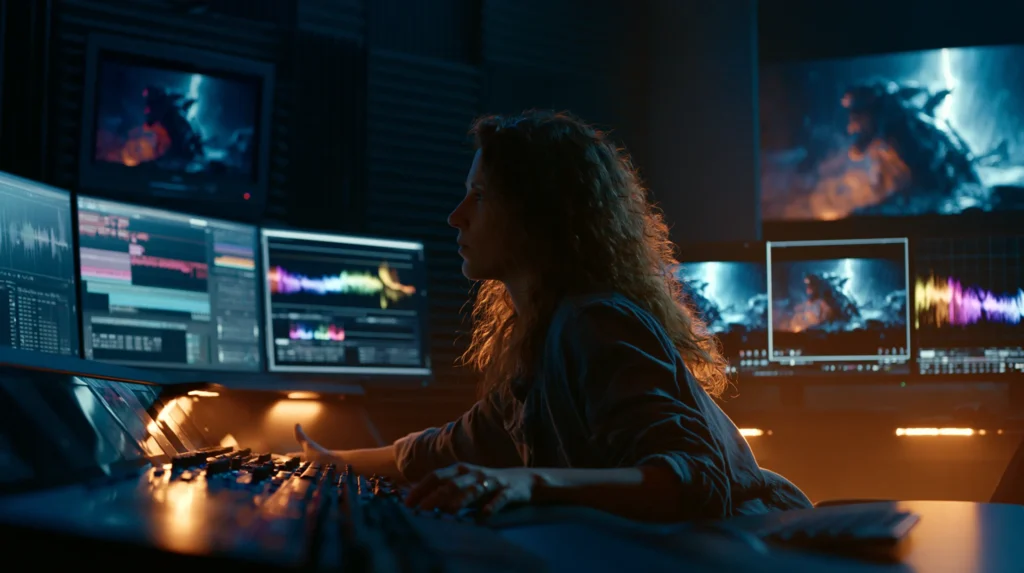
Generative audio is developing quickly.
Current video-to-audio research focuses on matching sound to the meaning and timing of visual events. Systems such as STA-V2A use semantic and temporal information from video to guide audio generation, while projects such as ReelWave explore movie sound across multiple scenes rather than treating every clip as an isolated event.
These developments can make audio creation more accessible. They can also help generate ambience, effects and synchronized sound for images that arrived without usable production audio.
The creative decisions remain essential.
A system may recognize that a person is walking, but the filmmaker still needs to decide what those footsteps say about the character. It may generate wind for a desert, but the story decides whether that wind feels peaceful, hostile or unnatural.
Recent research on AI use in professional sound design found that practitioners still see a gap between available tools and the narrative sophistication required for high-end film and immersive work. The study, An Investigation of AI Integration in Sound Designer Workflows and Experiences, reports a stronger preference for assistive uses than fully automated sound design.
That distinction matters.
Generating sound can provide material. Designing sound gives the material a dramatic function.
Sound keeps scenes inside the same world
Visual continuity receives a great deal of attention in AI filmmaking.
Sound continuity deserves the same care.
A location should keep its acoustic identity across different angles. A machine should keep the same mechanical character when it appears in another scene. A character’s clothing, weapon and movement should sound connected from shot to shot.
Consistent sound helps separate images feel like one continuous place.
It can even hide small visual changes.
Room tone can carry across a cut. An approaching vehicle can connect two angles. A character’s breathing can continue while the camera moves away from their face. A sound can begin before the next image appears, guiding the audience into the new shot.
These transitions give the film flow.
The viewer stops thinking about separate generated clips and begins experiencing a continuous scene.
The Fable Forge point of view
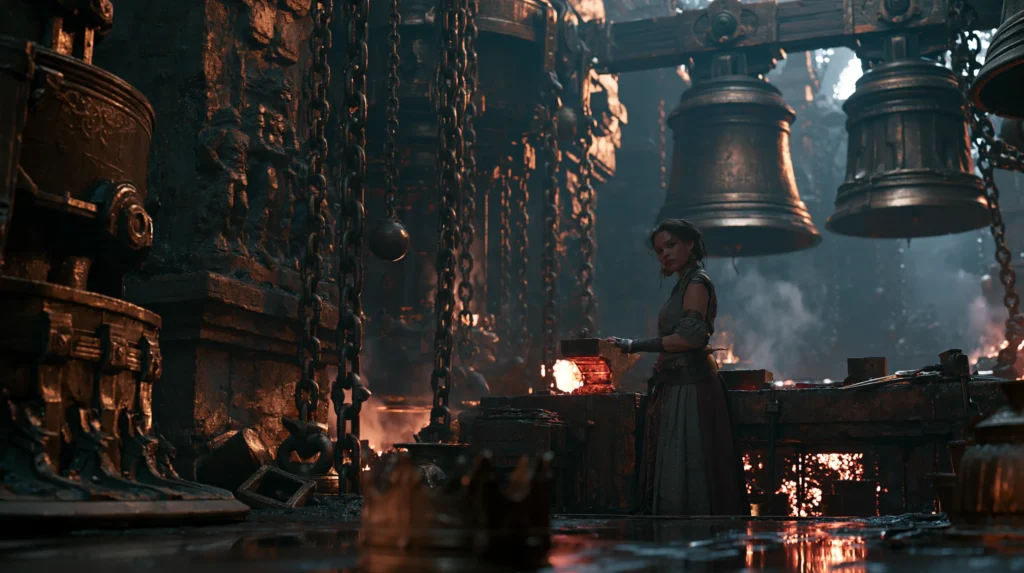
At Fable Forge, we see sound as part of the world from the beginning.
Every environment has a voice. Every machine has a rhythm. Every creature occupies space before it enters the frame. Every character carries sound through clothing, movement, breath and contact with the ground.
These elements help an AI film move beyond visual demonstration.
They give the images consequence.
A crown falling on stone should carry the weight of the kingdom around it. A train crossing an abandoned desert should tell us how long it has been moving and what kind of world built it. A quiet chamber should contain enough sound to make its silence feel intentional.
The audience may focus on the image first.
Sound is often what makes them believe it.
The invisible half stays with the viewer
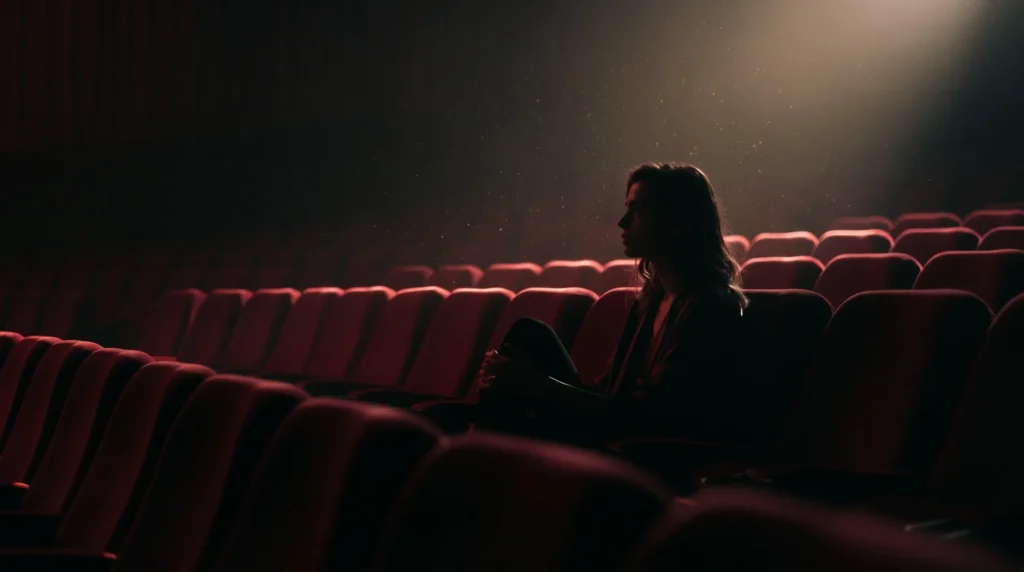
Sound design rarely asks for attention in the same way as an impressive image.
Its work often happens underneath conscious thought.
It creates distance before the viewer measures the space. It creates danger before the threat appears. It creates weight before the object touches the ground. It gives a fictional world materials, weather, movement and memory.
AI cinema has expanded what small studios and independent creators can place on screen.
Sound determines how close those images can come to the viewer.
A scene can be watched without a developed soundscape.
A world needs to be heard.


Leave a Comment