Why Rhythm Matters in AI Film Editing
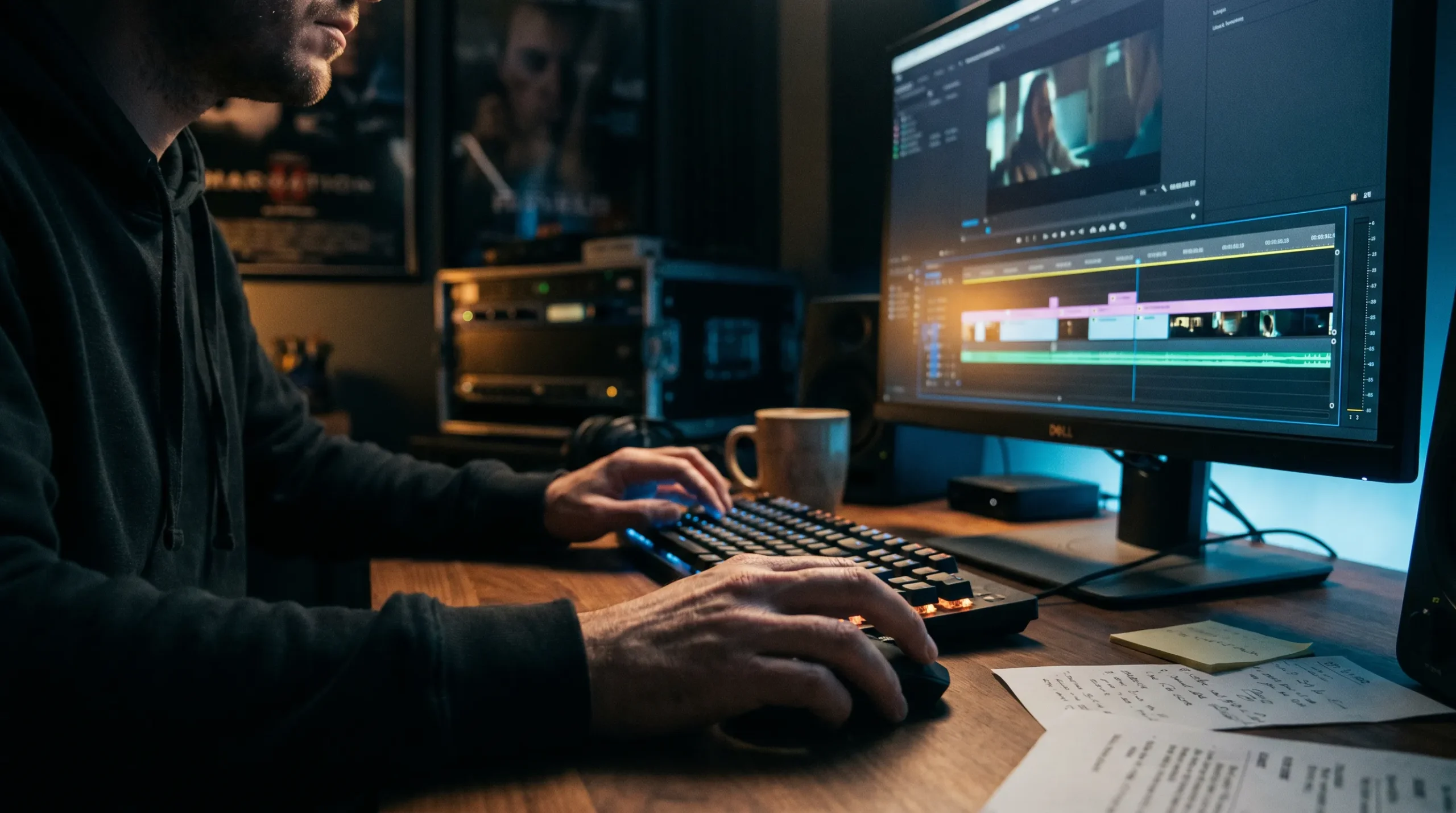
An AI shot can look cinematic and still feel wrong.
The lighting may be beautiful. The character may look strong. The camera may move with weight. The world may feel large.
But if the timing is off, the scene loses power.
A cut that comes too early can make a moment feel weak. A shot that stays too long can make tension disappear. A sound that arrives too late can make an impact feel empty. A song that pushes too hard can make an emotional scene feel artificial.
Rhythm is what gives images breath.
In AI filmmaking, rhythm is often the difference between a sequence that looks cinematic and a sequence that feels cinematic.
Rhythm is not only speed
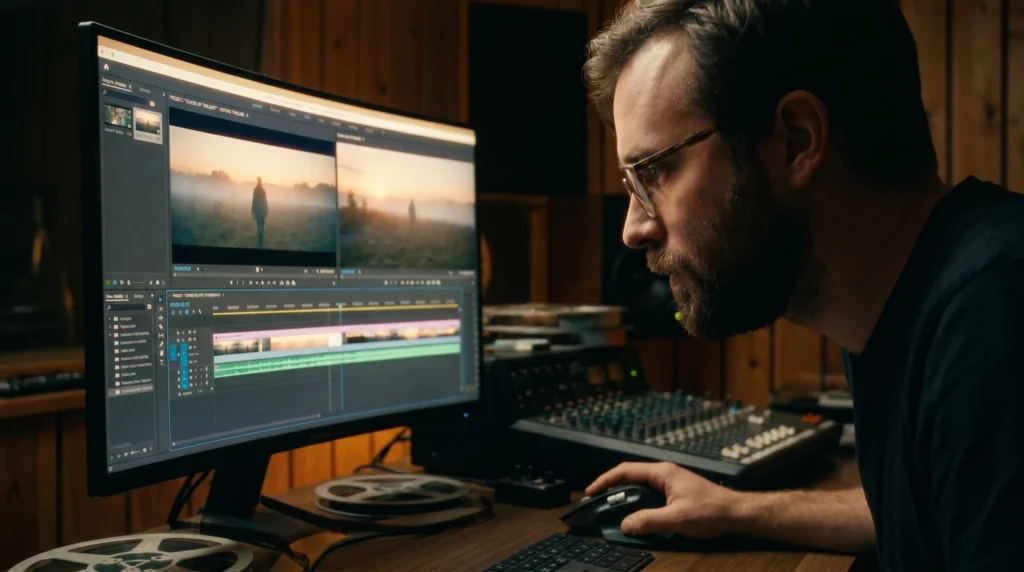
Many people think rhythm means fast cutting.
That is only part of it.
Rhythm is the way a film controls time. It decides when the viewer receives information, when they wait, when they breathe, when they feel pressure, and when they are allowed to understand what just happened.
A battle scene may need fast cuts.
A lonely character in a hallway may need silence and stillness.
A trailer may need a slow beginning, a rising middle and a final burst of energy.
A horror scene may need the opposite. It may need to hold the image longer than feels comfortable.
Rhythm is not about moving quickly.
It is about moving with intention.
A cut changes emotion
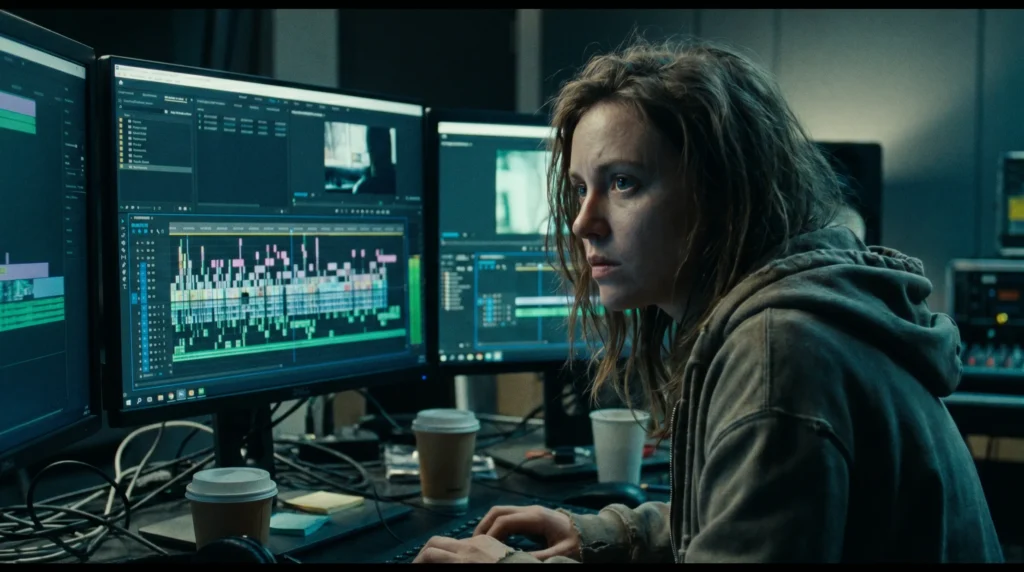
A cut is never neutral.
The same image can feel different depending on where it appears and how long it stays.
A character looking at a closed door for one second may feel curious. The same character looking at the door for six seconds may feel afraid. If the sound drops out before the door opens, the viewer starts preparing for something.
Nothing about the image changed.
The rhythm changed.
This is why editing matters so much in AI film.
AI can help create striking images, but the edit decides how those images affect the viewer. It decides which moment becomes important. It decides what feels sudden, what feels heavy, what feels mysterious and what feels earned.
Walter Murch writes about editing as an emotional and perceptual act in In the Blink of an Eye. His ideas are useful here because they remind us that a cut is not just a technical transition. It is a choice about what the viewer feels next.
AI filmmaking needs that same awareness.
The cut is where the image becomes cinema.
A beautiful shot can die without timing
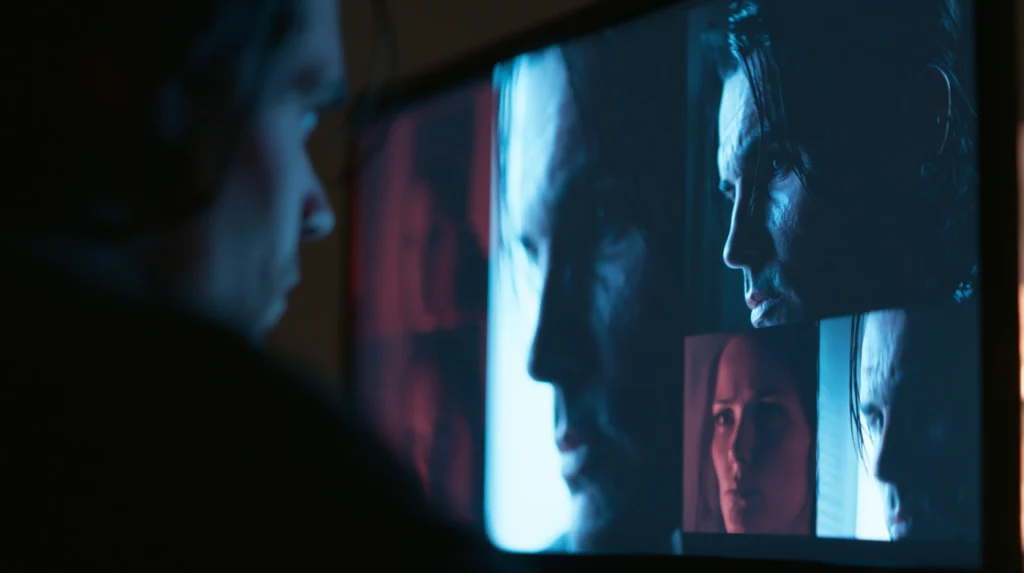
AI makes it easier to create beautiful shots.
That creates a new problem.
When every shot looks impressive, the editor has to decide which shots deserve time and which ones should pass quickly. Not every image can be the most important image. Not every moment should feel epic.
A wide shot of a ruined city may need time because the viewer needs to understand the scale.
A close-up of a character may need time because the viewer needs to read their face.
A monster reveal may need less time at first because mystery can be stronger than clarity.
A spaceship explosion may need only a second if the emotion is not in the explosion, but in the person watching it happen.
Timing creates hierarchy.
It tells the viewer what matters.
Without rhythm, a sequence becomes a line of attractive images. The shots may be good, but they do not build on each other.
They do not breathe.
Silence is part of rhythm
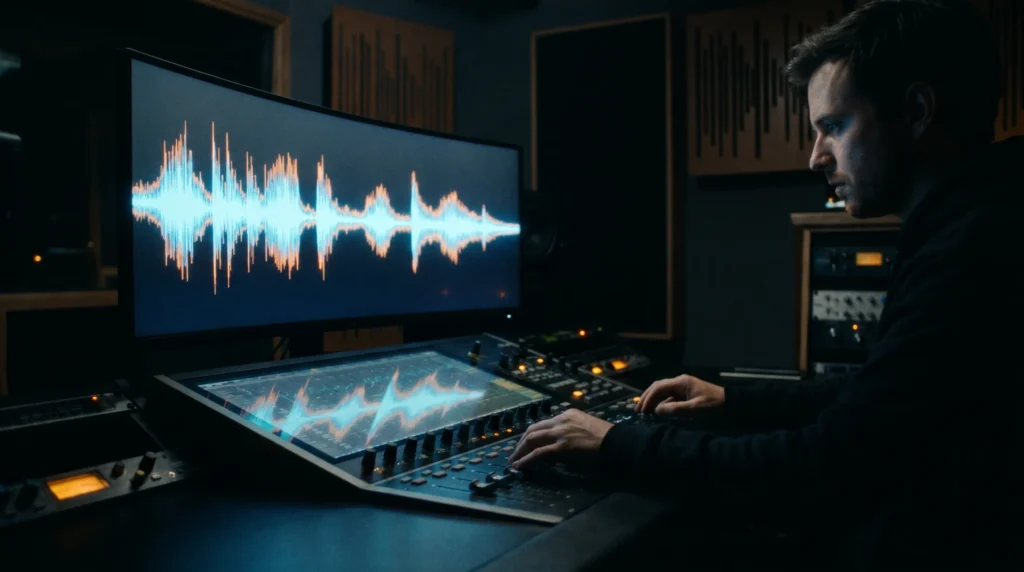
Sound is not only what we hear.
It is also what disappears.
A scene can become more powerful when the music drops out. A moment can feel heavier when we hear only wind, fabric, footsteps or breathing. A cut to silence can make the viewer lean closer.
In AI film editing, silence is often underused.
Many AI trailers try to fill every second with music, impact sounds, rises, hits and dramatic texture. That can make the trailer feel big, but it can also make it feel flat. If everything is intense, nothing has shape.
Silence gives rhythm contrast.
A sword touching the ground can feel louder after three seconds of quiet. A door opening can feel dangerous if the music stops before it moves. A character whispering can carry more weight than a full orchestral hit if the edit gives the moment space.
Silence is not empty.
It is pressure.
Sound design gives images weight
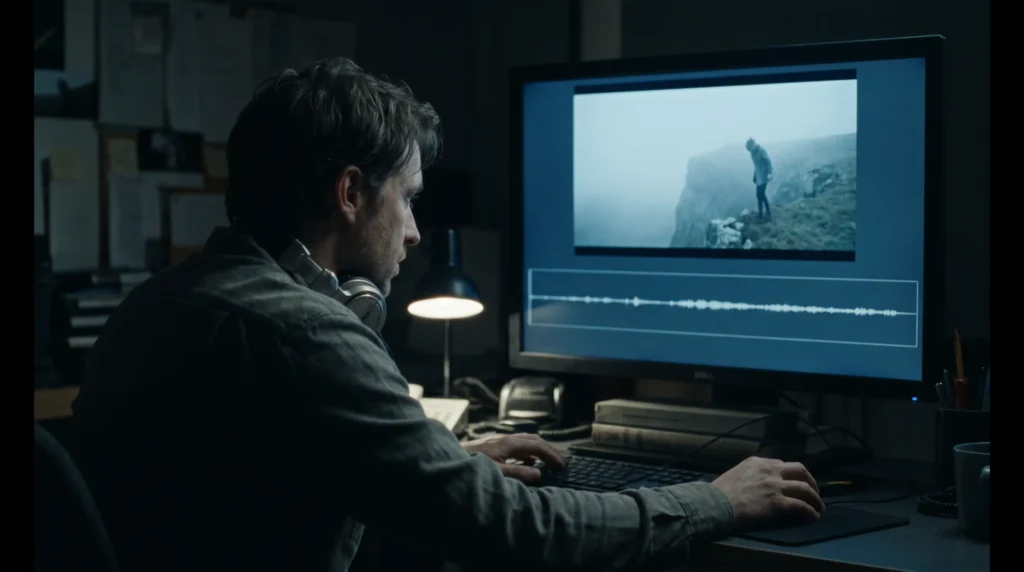
A visual impact needs sound to feel physical.
A giant gate can look heavy, but the sound makes the viewer feel its weight. A creature can look dangerous, but the breathing, bone movement, low growl or distant footstep makes it feel present. A city can look abandoned, but wind, loose metal, faraway sirens or echoing birds can make it feel alive.
Sound design adds texture to the image.
Michel Chion’s idea of added value is useful here. He describes how sound can add meaning and sensation to what we see, guiding how we understand the image.
That matters deeply for AI cinema.
An AI shot may show a character walking through a frozen battlefield. The sound can tell us whether the place is peaceful, haunted, sacred or dangerous.
Crunching snow gives the body a place.
A low drone gives the world a threat.
A distant horn gives the image history.
A sudden absence of sound gives the moment fear.
The image shows the world.
Sound tells the viewer how to enter it.
Music shapes expectation
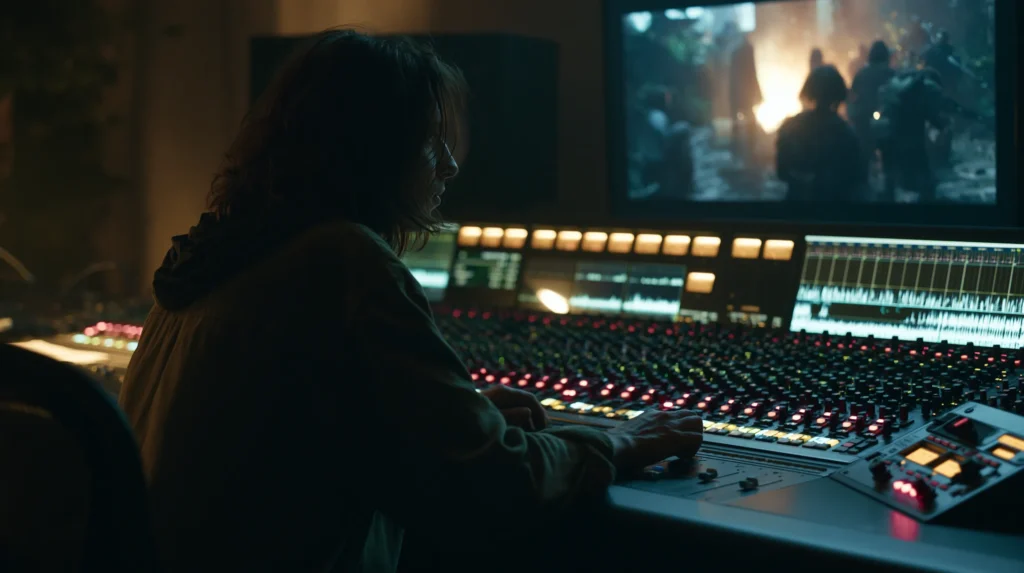
Music does not only support emotion.
It prepares the viewer for emotion.
A slow pulse can make a simple shot feel like something is coming. A rising string can make a landscape feel dangerous. A soft piano note can make a memory feel fragile. A distorted bass hit can make a cut feel violent.
Music tells the viewer how to wait.
This is especially important in trailers.
A trailer often builds energy through layers. It may begin with a quiet tone, then add pulse, then percussion, then a rise, then silence, then impact. The viewer feels the structure even before they understand the story.
Recent research on music-guided trailer generation, such as BEAT: Rhythm-Elastic Alignment for Agentic Music-guided Movie Trailer Generation, describes how professional trailer rhythm often changes with musical energy. High-energy passages can carry quicker cuts, while quieter passages can hold longer shots.
That idea feels obvious when we watch a good trailer, but it is easy to forget when editing AI footage.
The music should not simply sit under the images.
It should help shape when the images arrive.
AI trailers need rhythm even more
AI trailers are often built from fragments.
A face. A city. A creature. A battle. A symbol. A final reveal.
That makes rhythm even more important.
If the fragments are not shaped carefully, the trailer becomes a gallery of unrelated moments. The images may be strong, but the viewer does not feel movement. They do not feel tension rising. They do not feel a promise forming.
A good AI trailer needs a pulse.
It needs to know when to slow down, when to accelerate, when to hold back and when to release.
The first shot may invite the viewer into the world.
The second may introduce danger.
The third may reveal a character.
The fourth may create scale.
The fifth may stop everything for a line, a breath or a sound.
Then the trailer can move again.
This is how rhythm turns fragments into a journey.
Editing decides what the viewer remembers
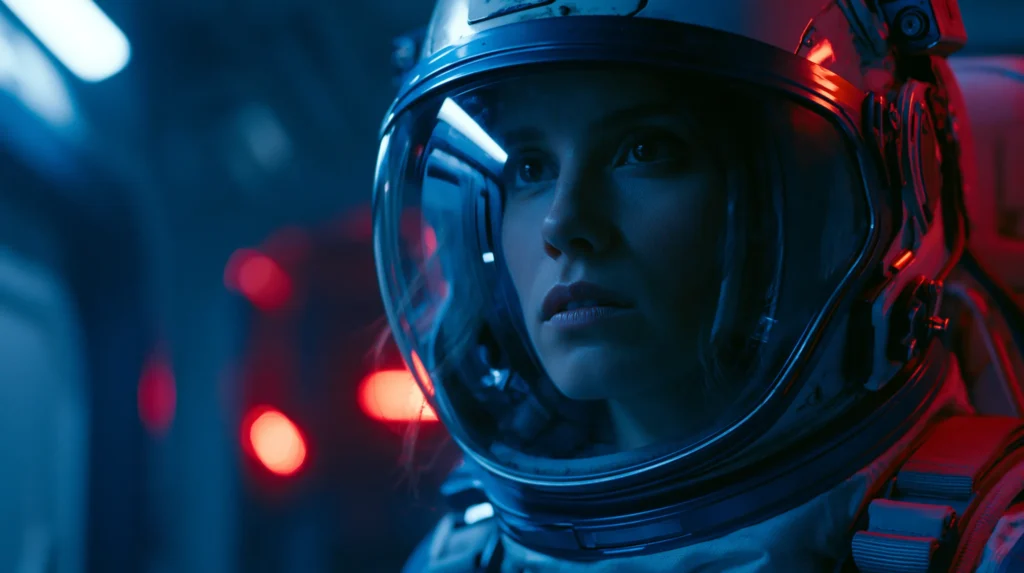
A viewer rarely remembers every shot.
They remember the moments that had shape.
The pause before the door opened.
The cut from a child’s face to a burning sky.
The sound of metal before the battle began.
The silence after the explosion.
The final image that stayed one second longer than expected.
Editing creates memory by choosing where the viewer should place emotional weight.
This is why rhythm matters so much in AI filmmaking. AI can create many possible images, but the edit decides which ones become part of the viewer’s memory.
A sequence with no rhythm may be visually rich and emotionally forgettable.
A sequence with rhythm can make a simple image feel important.
Rhythm helps the world feel real
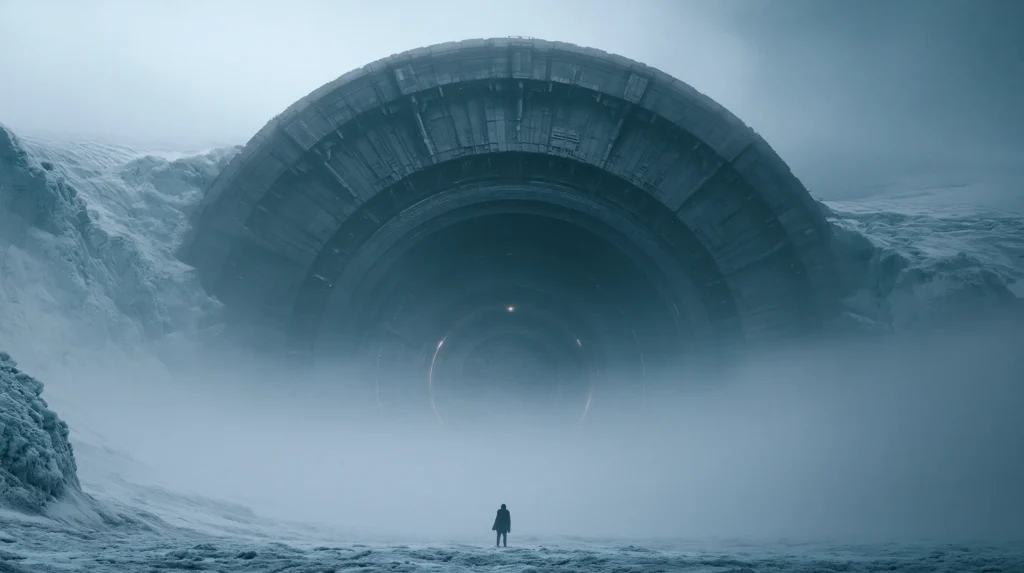
In the previous article, we talked about why AI films need worlds, not just scenes.
Rhythm is part of that same idea.
A world does not feel real only because it has good design. It also feels real because time behaves in a believable way inside it.
A heavy door should not open like paper.
A wounded character should not move like nothing happened.
A crowd should not react with the same timing as a machine.
A sacred place may need slower rhythm.
A collapsing city may need broken rhythm.
A chase may need urgency, but still needs moments for the viewer to understand space.
The rhythm of the edit teaches the viewer how the world moves.
If the timing feels wrong, the world feels less real.
AI filmmaking still needs the fine cut
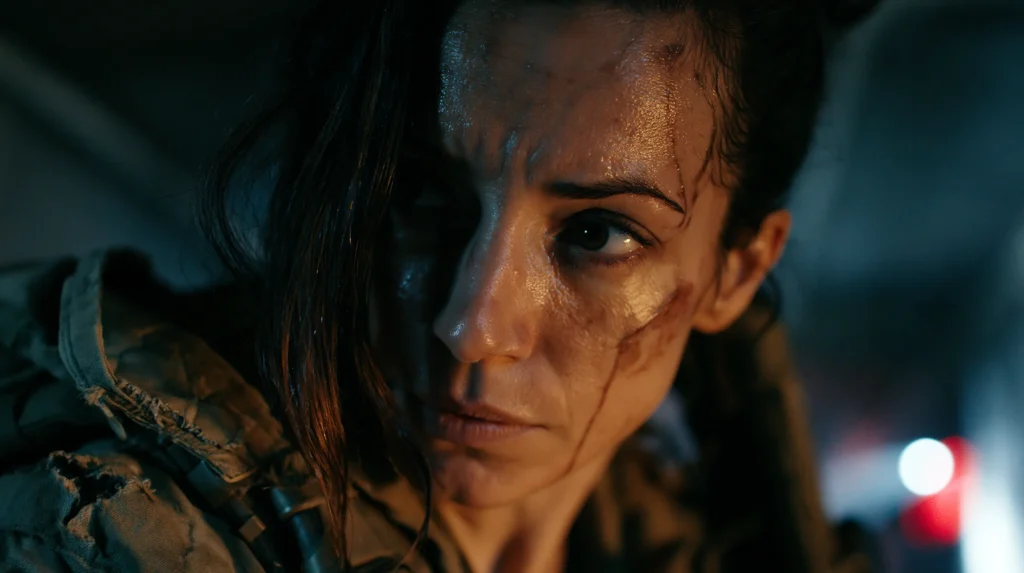
A rough sequence can show the idea.
The fine cut finds the feeling.
That is where a film starts to become precise. A few frames can change the weight of a moment. A sound can move slightly earlier and create anticipation. A music cue can enter later and make the scene feel less obvious. A cut can wait half a second and allow the viewer to feel what the character is feeling.
Research in AI film generation is beginning to treat this seriously. FilMaster, a recent paper on cinematic principles and generative AI, points out that many film generation systems struggle with professional camera language and cinematic rhythm. It also describes post-production as a key part of making AI-generated films feel more engaging.
That is an important point.
The cinematic feeling does not come only from generation.
It often comes from what happens after the image exists.
The edit gives the image time, pressure and meaning.
The Fable Forge point of view
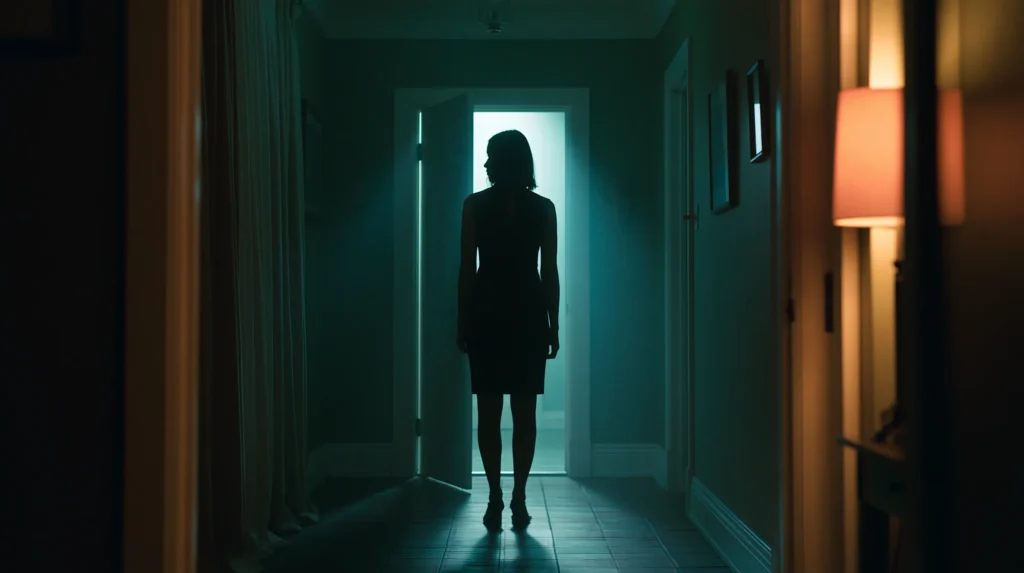
At Fable Forge, we see rhythm as one of the quiet forces that makes AI cinema feel alive.
A world needs design.
A character needs intention.
A scene needs atmosphere.
But the edit decides how all of it reaches the viewer.
Rhythm tells the audience when to look, when to wait, when to fear, when to breathe and when to remember.
It makes a trailer feel like a promise instead of a sequence of images. It makes a battle feel physical. It makes silence feel dangerous. It makes a small moment feel larger than the frame.
AI filmmaking gives creators more visual possibilities than ever.
Rhythm helps decide which of those possibilities matter.
Images need time to become cinema
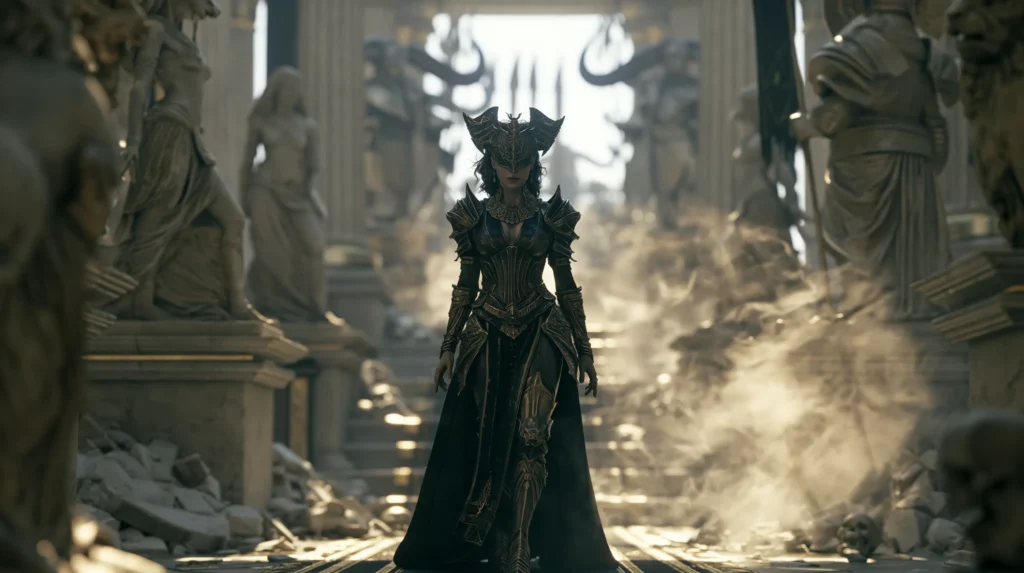
A strong AI film is not only built from what appears on screen.
It is built from when things appear, how long they stay, what we hear with them and what disappears before the next moment arrives.
That is editing.
That is rhythm.
A shot can impress in isolation. A sequence needs timing. A trailer needs pulse. A film needs breath.
The future of AI film editing will not belong only to sharper images or smoother motion.
It will belong to creators who understand how images, sound, music and silence move together.
Because cinema does not live only inside the frame.
It lives in the space between frames.
Leave a Comment