AI Films Need Worlds, Not Just Scenes
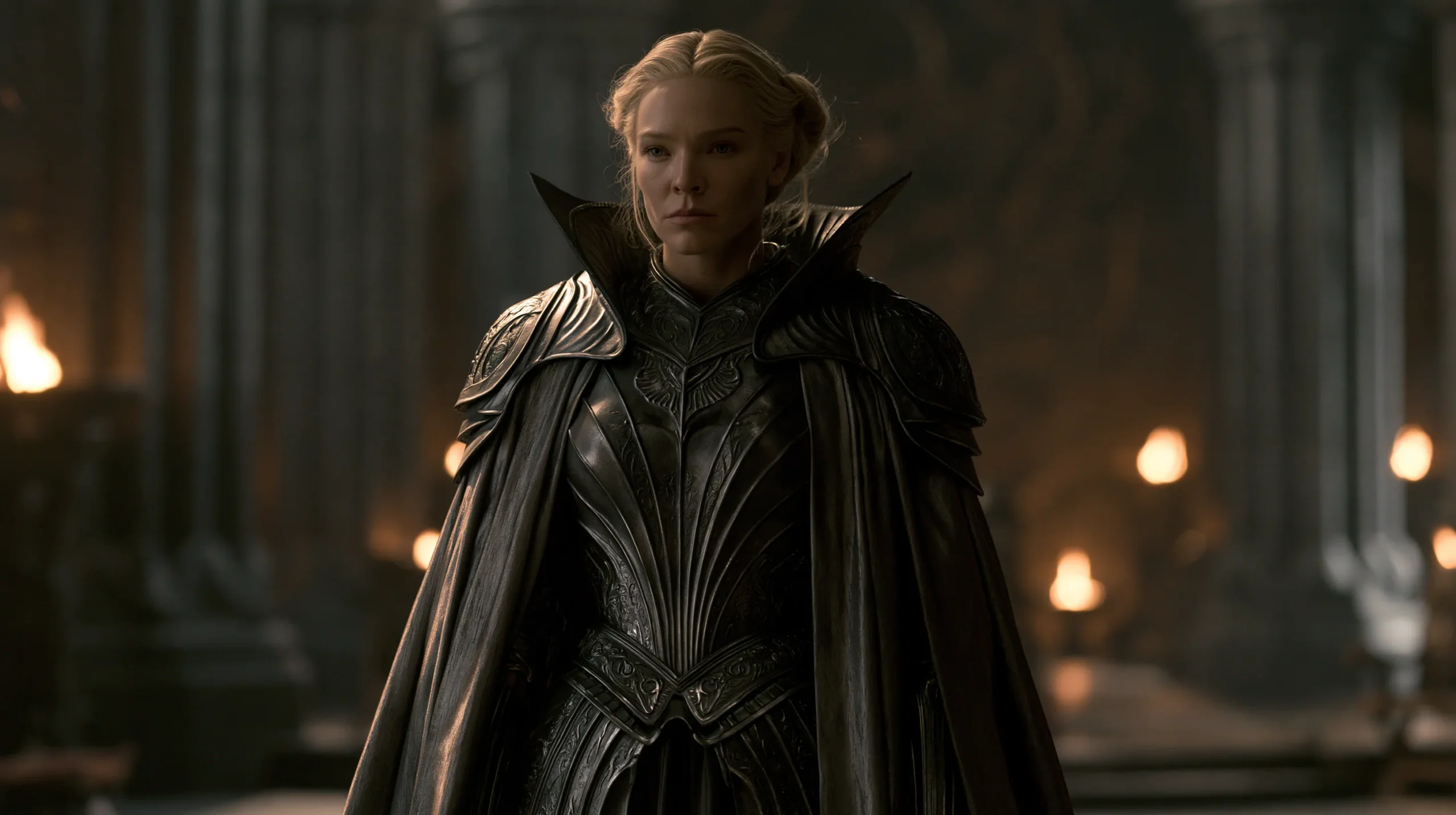
An AI scene can look impressive and still feel empty.
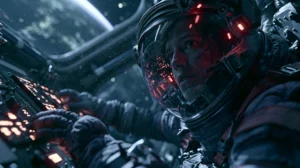
A ruined city may have perfect lighting. A character may wear beautiful armor. A spaceship may cross a planet with the scale of a studio film. The image can make someone stop for a second.
But if the world does not feel real, the scene disappears quickly.
Worldbuilding gives a scene weight.
It tells the viewer that something existed before the frame began, and something will continue after it ends.
That matters in AI filmmaking because individual images are becoming easier to create. A single frame can look cinematic. A single shot can feel expensive. A single moment can suggest a film that does not exist yet.
The harder part is making all those moments feel like they belong to the same universe.
A scene is not a world
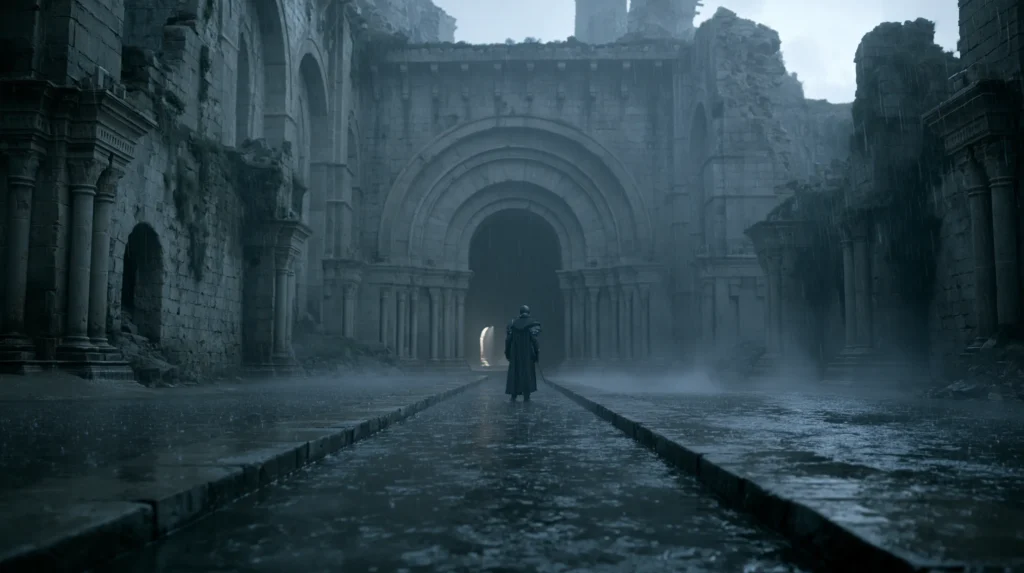
A scene shows us a moment.
A world gives that moment meaning.
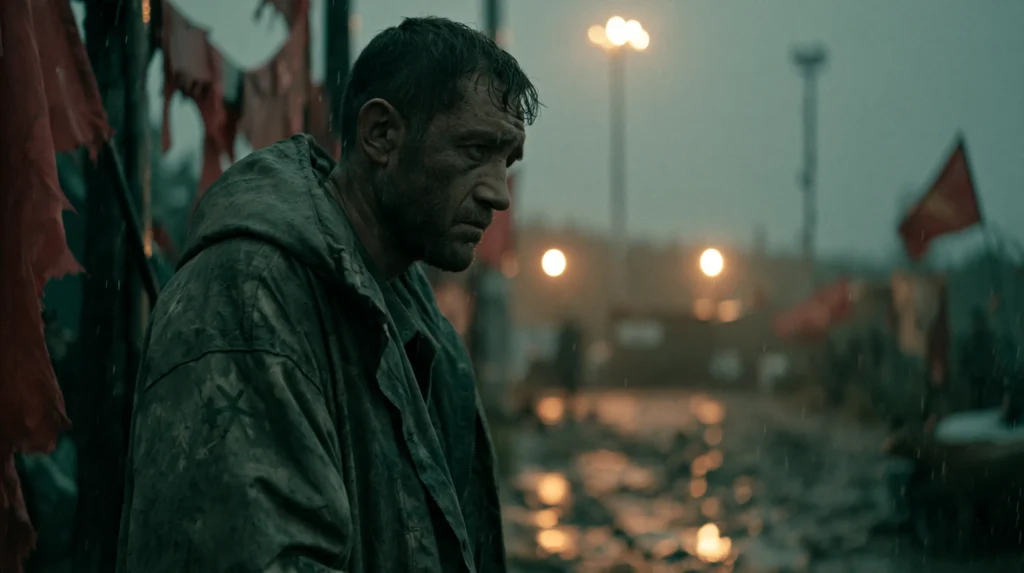
A lonely soldier standing in the rain is a scene. The world begins when we understand what army he belongs to, why the war started, what the symbols on his uniform mean, and why he is afraid to go home.
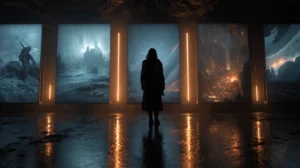
A city covered in fog is a scene. The world begins when the streets, architecture, language, rituals and people feel connected.
A creature in the forest is a scene. The world begins when the forest has rules, history and danger.
This is where AI films can become stronger.
The goal is not only to create beautiful shots. The goal is to make the viewer feel that every shot belongs to a larger place.
Worlds create memory
A good cinematic world feels like it remembers things.
The buildings suggest who built them. The costumes suggest status, climate or belief. The weapons suggest a kind of violence. The colors suggest a culture. The landscape suggests what people had to survive.
That memory does not need to be explained in dialogue.
It can live inside the image.
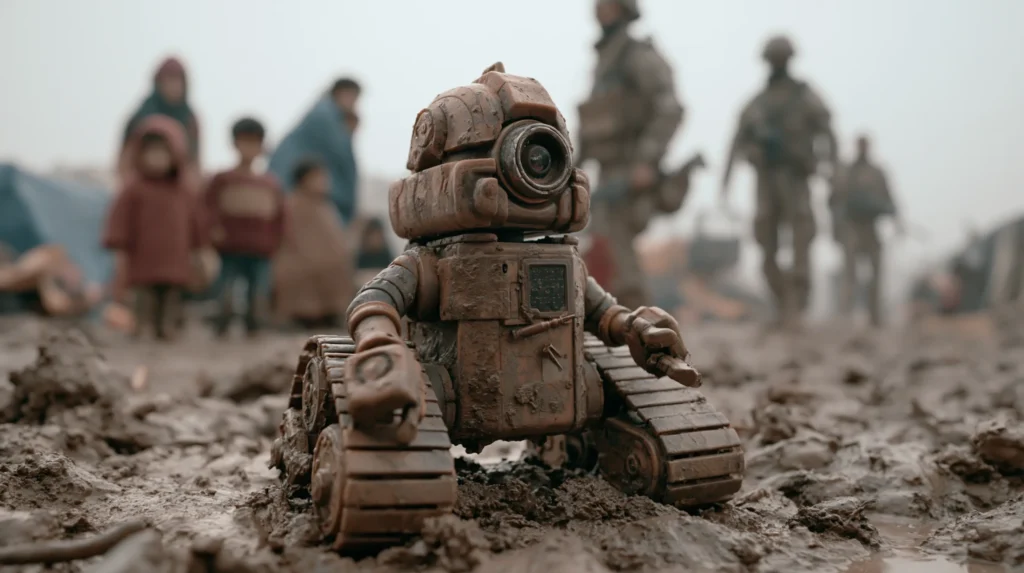
A broken statue can tell us a ruler once mattered. A burned banner can suggest a defeated kingdom. A child wearing an old military coat can tell us a war has lasted too long. A temple covered in machines can suggest that faith and technology have become impossible to separate.
Worldbuilding works best when the viewer feels history without needing a history lesson.
That is especially useful in AI filmmaking.
AI can create visual richness quickly, but richness is not the same as memory. A world becomes believable when the details feel connected to something deeper than decoration.
Consistency makes imagination believable
AI filmmaking often struggles when one scene feels disconnected from the next.
A character changes too much. A location loses its identity. A costume feels from another genre. A city looks ancient in one shot and futuristic in the next without a reason. The viewer may not know exactly what is wrong, but they feel the break.
That break matters.
Continuity is not only about keeping a character’s face consistent. It is about keeping the world consistent.
Recent research on generative AI for film creation talks about the importance of character consistency, stylistic coherence and motion continuity in AI-driven filmmaking. The paper Generative AI for Film Creation: A Survey of Recent Advances points to these issues as key challenges for longer and more coherent AI film work.
That makes sense from a creative point of view.
If every shot feels like it comes from a different universe, the viewer cannot trust the world.
And if the viewer cannot trust the world, they stop believing in the story.
A world gives characters somewhere to belong
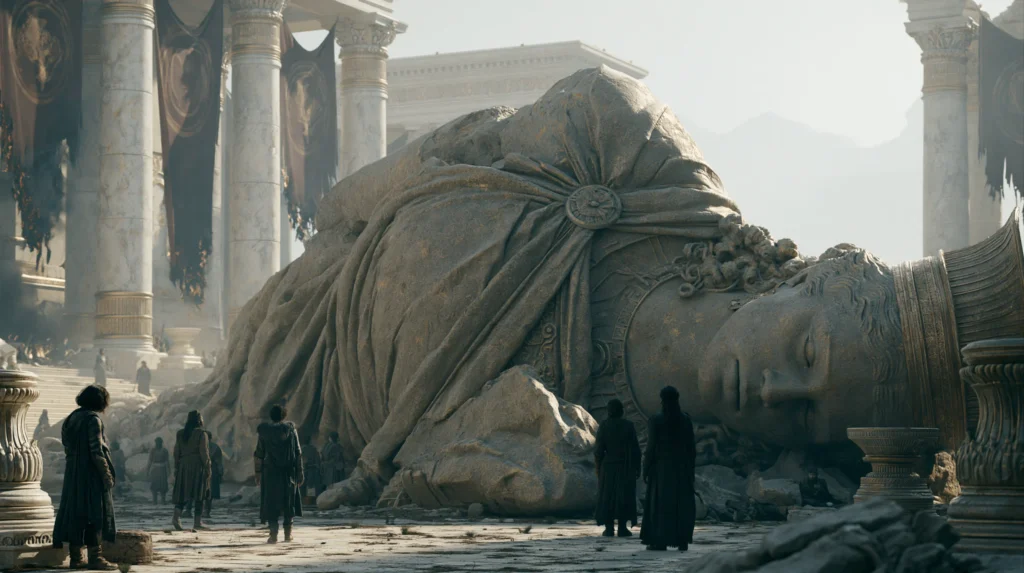
A character does not become memorable only because of design.
A mask, a cloak, a helmet or a scar can make someone visually striking. But the character becomes stronger when those details feel connected to a place.
A warrior’s armor should tell us something about the culture that made it.
A pilot’s uniform should suggest the kind of future they live in.
A queen’s crown should feel like it belongs to the history of her kingdom.
A child’s clothes should tell us something about class, climate, danger or loss.
When character design and world design work together, the viewer feels that the person belongs inside the story.
When they do not, the character can feel pasted onto the image.
This is a common problem in AI visuals. The character looks impressive, but the world around them does not explain them. They feel like an icon without a life.
Worldbuilding gives the character roots.
The environment should not be a backdrop
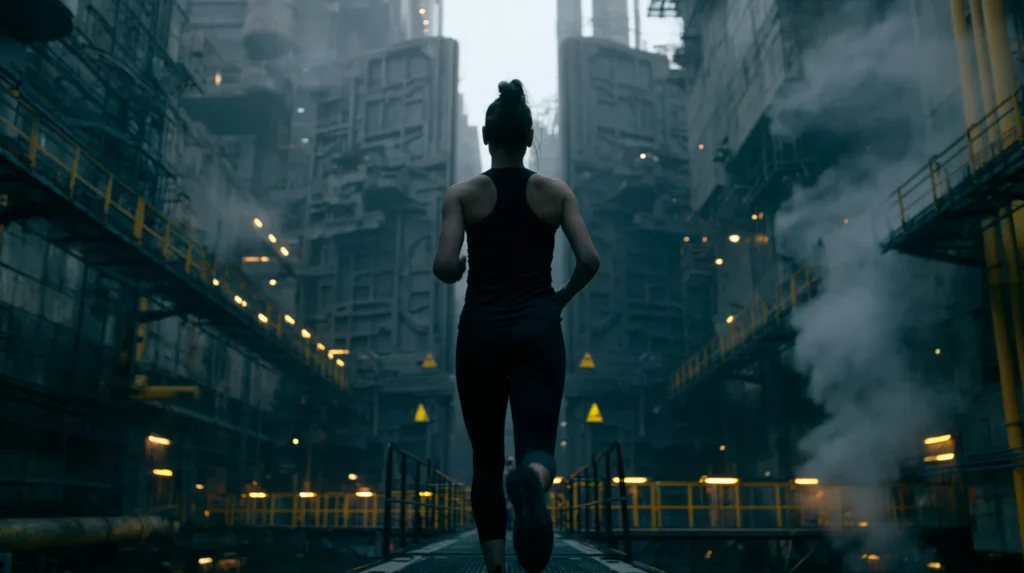
In weak visual storytelling, the environment is only a background.
In stronger filmmaking, the environment pushes against the character.
A desert makes travel dangerous. A palace creates pressure. A narrow hallway changes how a scene feels. A ruined city carries grief. A frozen lake creates silence and risk. A crowded market creates rhythm, noise and suspicion.
The place affects the emotion.
This is one reason worldbuilding matters so much for AI films. A generated environment can look beautiful, but it should also shape the scene.
If a character is running through a city, the city should not only look good. It should tell us what kind of city this is. Are the streets built for machines, soldiers, priests, merchants or kings? Are people hiding? Are there signs of collapse? Is the city alive, abandoned or controlled?
Those choices make the scene feel directed.
They turn the location into part of the story.
Small details can make a world feel large
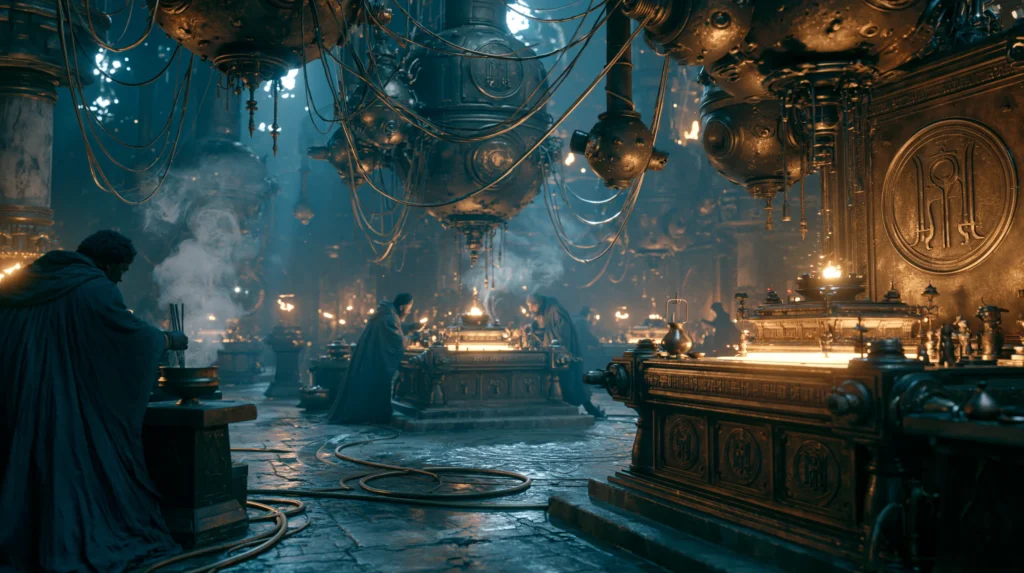
A world does not always need a long explanation.
Sometimes one detail does the work.
A prayer carved into a spaceship wall.
A sword repaired with modern metal.
A street sign written in two languages.
A child’s toy shaped like an old war machine.
A crown kept inside a glass medical chamber.
Details like these make the viewer feel that the world has layers.
They suggest history, conflict and culture without stopping the story. They also make the world feel larger than the frame.
This is one of the most useful ideas for AI filmmaking.
A scene does not need to show everything. It needs to suggest enough for the viewer to imagine more.
The best worlds leave space for curiosity.
Worldbuilding helps AI trailers feel stronger
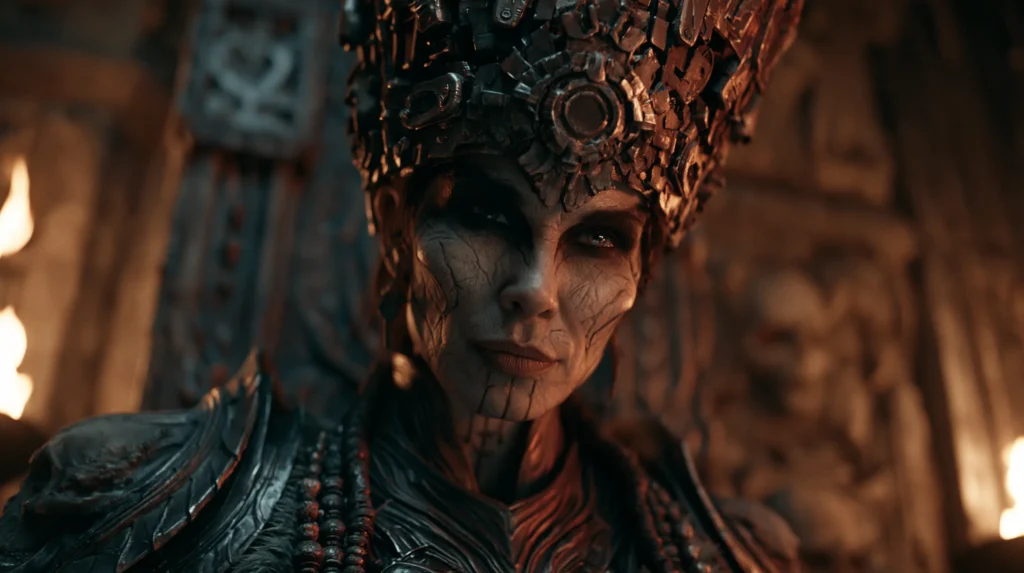
AI trailers depend on suggestion.
They often show fragments: a face, a place, a threat, a symbol, a line, a final image. The viewer does not need the entire plot. They need to feel that the world behind the trailer is worth entering.
Worldbuilding makes that possible.
A trailer about a fallen kingdom feels stronger when the architecture, costumes, flags and landscapes all suggest the same civilization. A science fiction teaser feels stronger when the technology has a visual logic. A dark fantasy trailer feels stronger when the monsters, rituals and environments feel connected to the same myth.
Without worldbuilding, an AI trailer can become a gallery of cool shots.
With worldbuilding, it can feel like the first doorway into a larger story.
This is why trailers are such a natural format for AI filmmaking. They do not need to reveal everything. They need to make the viewer believe that everything exists.
Visual rules create identity
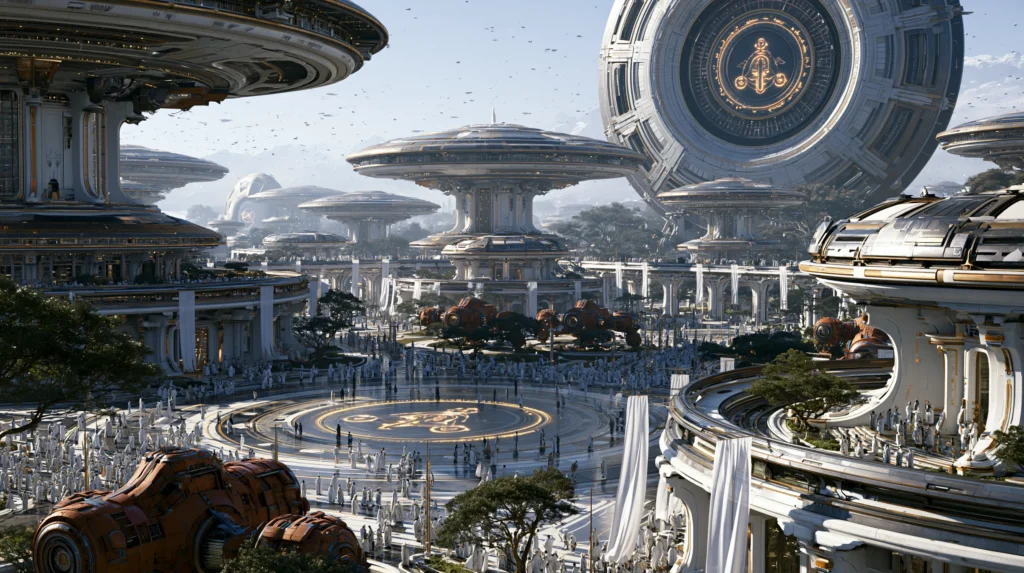
Every strong cinematic world has rules.
They do not need to be written on screen, but they need to be felt.
Maybe the world uses only heavy architecture and narrow windows. Maybe technology always looks handmade. Maybe religious symbols appear in every public space. Maybe the rich wear white and the poor wear rust-colored fabric. Maybe every machine has the same circular shape. Maybe every city is built around water, fire or memory.
These rules give the world identity.
They also help the viewer recognize when they are still inside the same universe.
This is important because AI can easily produce variety. Variety can be exciting, but too much variety can weaken the film. A world becomes stronger when it knows what belongs and what does not.
Good worldbuilding is not only adding details.
It is choosing limits.
AI expands worldbuilding, but it does not replace taste
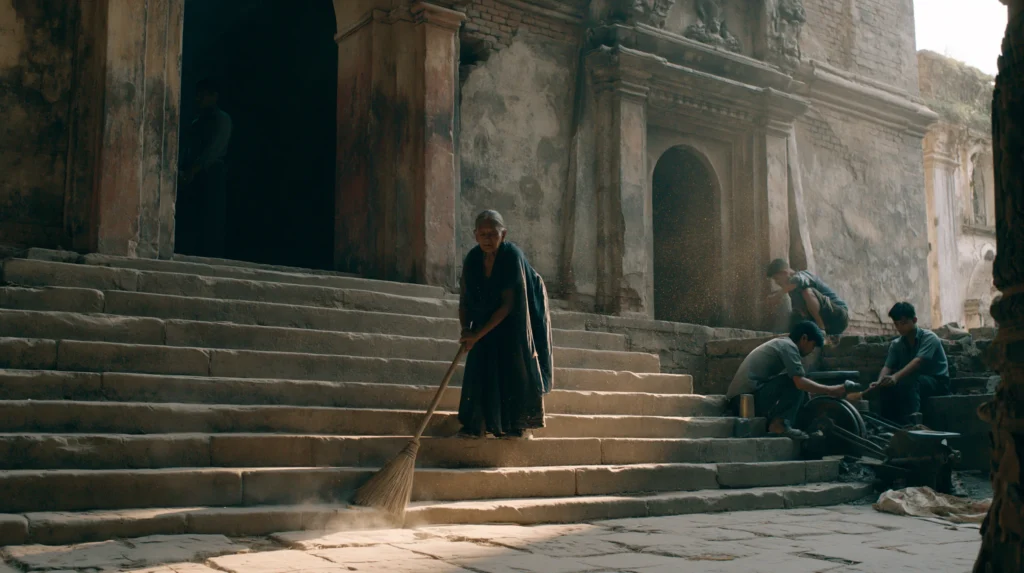
AI gives creators a new way to explore worlds visually.
A small team can test a kingdom, a city, a creature, a costume or an entire atmosphere before a traditional production would allow it. That is a real creative shift.
The Runway AI Festival is one sign of how quickly this space is growing. AI films are no longer only experiments hidden inside technical communities. They are becoming part of a wider creative conversation around cinema, design, media and visual storytelling.
But better tools do not automatically create better worlds.
A creator still needs taste.
Taste decides which details matter. Taste knows when the world is becoming too crowded. Taste understands when a simple image says more than a complicated one. Taste keeps the world from becoming a pile of disconnected ideas.
AI can help generate possibilities.
The creator decides what belongs.
A world should feel alive beyond the frame
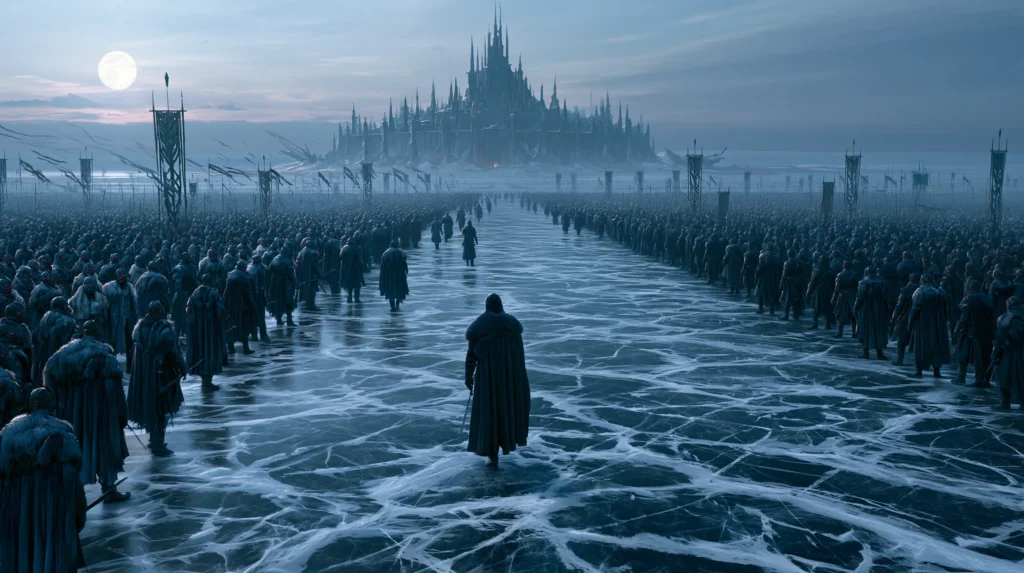
A strong world does not feel built only for the shot we are watching.
It feels like people live there when the camera is gone.
Someone cleans the temple. Someone repairs the machines. Someone fears the soldiers. Someone remembers the old king. Someone knows why the forest is forbidden. Someone has a reason to look away when a certain symbol appears.
The viewer may never meet those people.
They still feel the world more deeply because those possibilities seem to exist.
This is one of the quiet powers of worldbuilding. It creates the sense that the story is not floating in empty space. It belongs to a larger life.
AI films need that feeling.
Without it, scenes can look spectacular and still feel weightless.
The Fable Forge point of view
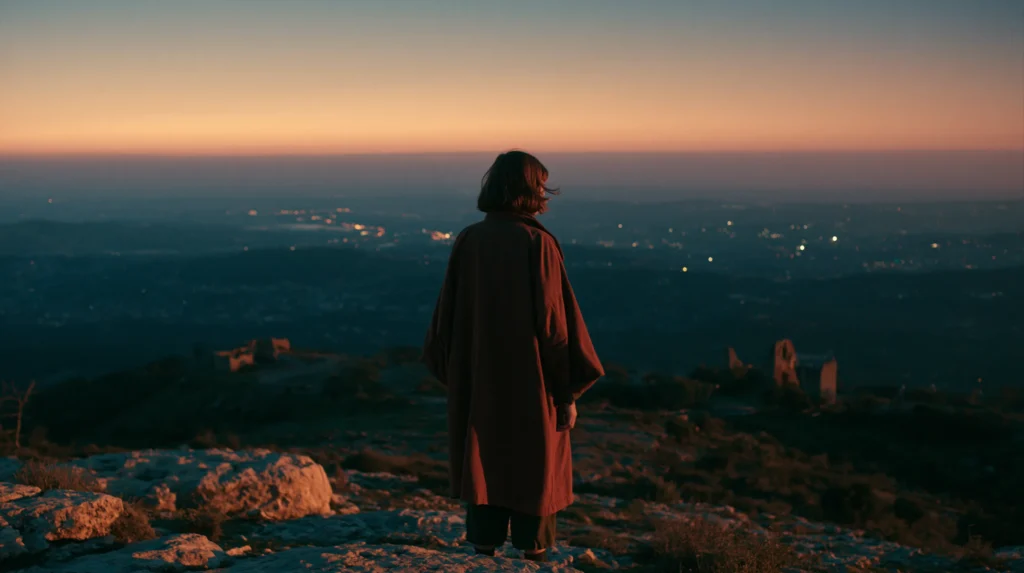
At Fable Forge, we care about worlds because worlds hold stories together.
A scene can introduce a mood. A trailer can open a door. A character can create curiosity.
But the world gives everything a place to live.
It connects the costume to the culture, the city to the history, the creature to the myth, the landscape to the emotion. It helps the viewer feel that the story has roots.
That is why AI films need worlds, not just scenes.
The future of AI filmmaking will not be shaped only by sharper images or more realistic motion. It will be shaped by creators who know how to build places that feel remembered, inhabited and alive.
A single image can impress.
A world can stay with someone.

Leave a Comment